
$24.99
01 — AT A GLANCE
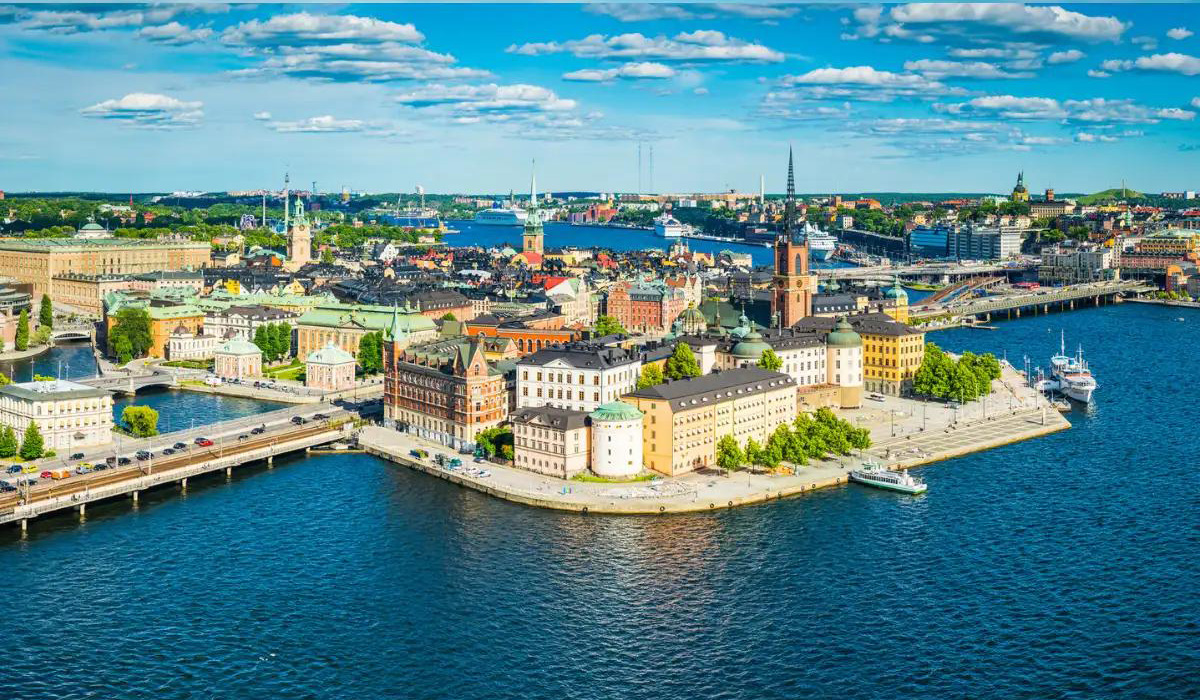
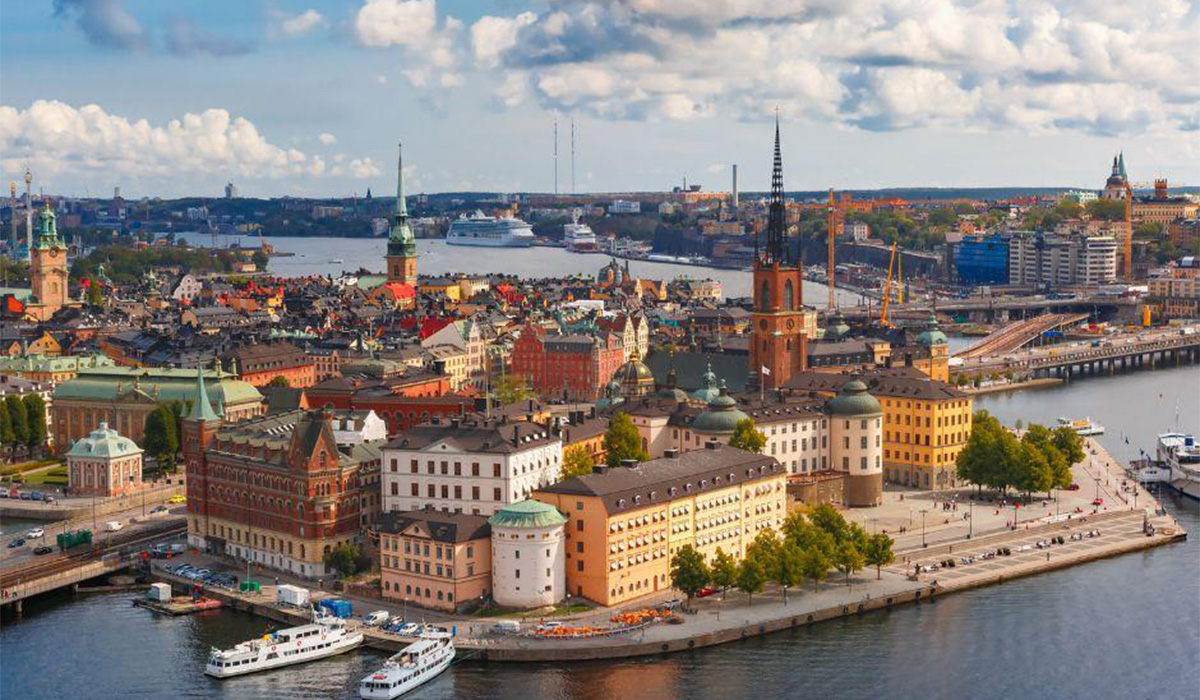
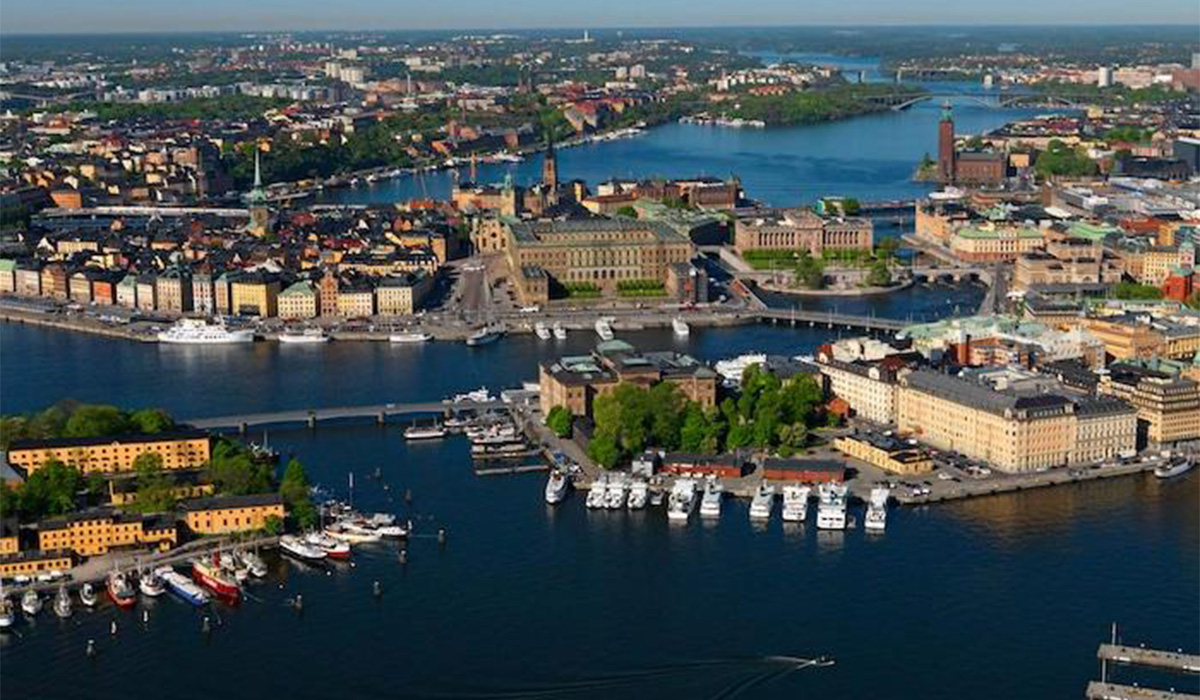
Stockholm is Sweden’s capital, built across 14 islands and surrounded by a much larger archipelago.
The city combines historic districts, museums, design, food, parks and waterfront landscapes.
Item
Quick Answer
Ideal first visit
3–5 days
Best for
City breaks, museums, design, history, food, waterfront walks, families
and archipelago trips
Best summer window
June–August
Best winter window
December–March for winter atmosphere; exact snow conditions vary
Main airport
Stockholm Arlanda Airport (ARN)
Main city hubs
Stockholm Central Station, T-Centralen and major ferry terminals
Main transport
Metro, commuter rail, buses, trams, ferries, walking and cycling
Car needed?
Usually no in Stockholm
Currency
Swedish krona (SEK)
Emergency number
112
Country time zone
Central European Time / Central European Summer Time
Stockholm works especially well as a gateway to the archipelago. Visit Stockholm notes that the inner archipelago can begin only a short trip from the city, while the wider archipelago contains more than 30,000 islands and islets.Sweden Regional Travel Guide • Stockholm & Central Sweden • 2026 Edition
Page 4
02 — WHEN TO VISIT
Sweden is a year-round destination, but the Stockholm experience changes substantially by season.
Season
What to Expect
Best For
Winter
Shorter daylight, cold weather, festive
atmosphere, museums, cafés and seasonal
experiences
Christmas trips, culture, indoor
sightseeing
Spring
Longer days, changing weather and gradual
warming
City breaks, museums, parks and
lower-key travel
Summer
Long daylight, outdoor dining, islands, parks and
boat trips
First-time visitors, archipelago travel
and long days outdoors
Autumn
Cooler temperatures, foliage, cultural calendar
and calmer streets
Food, photography, museums and
relaxed city trips
Summer is the easiest season for combining Stockholm with the archipelago because more island accommodation, restaurants and transport options operate. Visit Stockholm notes that many islands are active year-round, but the range of open services is broader in summer.
Planning by traveler type
First-time visitor: May–September for longer days and easy outdoor sightseeing.
Christmas atmosphere: December, while checking current weather and event schedules.
Nature and islands: June–August is the simplest period for a first archipelago trip.
Culture-focused: Shoulder seasons can work very well because museums and indoor attractions become more central.Sweden Regional Travel Guide • Stockholm & Central Sweden • 2026 Edition
Page 5
03 — GETTING THERE
By Air
Stockholm Arlanda Airport is the main international airport serving the capital region. Compare
airport-train, commuter-train and coach options based on your arrival time, baggage and final
accommodation location.
By Train
Stockholm Central Station is the primary rail hub for long-distance travel across Sweden and the wider
Nordic region. If you plan to continue north or south, central accommodation can make the rail
connection much easier.
By Ferry
Stockholm has extensive passenger-ferry connections, including routes toward neighboring Baltic
destinations. Ferry travel is also a practical part of exploring the local archipelago. Visit Stockholm
lists services and routes from several city piers.
Arrival Strategy
Choose accommodation near a metro or rail station if you are visiting without a car.
For early flights, compare the convenience of staying near the airport with staying central.
For an onward ferry, stay close enough to the relevant terminal that you can manage luggage
comfortably.
Check current airport transfer schedules shortly before departure.Sweden Regional Travel Guide • Stockholm & Central Sweden • 2026 Edition
Page 6
04 — GETTING AROUND
Stockholm is a strong no-car destination. Public transport, walking and ferries cover most visitor needs
in the city and can also help with selected archipelago trips.
Mode
Best Use
Practical Tip
Walking
Gamla Stan, Norrmalm,
Södermalm and waterfront
routes
Central Stockholm is compact enough to explore on
foot.
Metro
(Tunnelbana)
Fast movement across the city
Some stations are known for their art; keep a little
extra time for notable stops.
Bus / Tram
Neighborhoods and museum
districts
Use the official regional journey planner for current
routes.
Commuter rail
Airport and outer-city
connections
Useful for longer local journeys.
Ferry / commuter
boat
Islands and waterfront travel
Check route, season and ticket validity before relying
on a connection.
Cycling
Summer exploration
Good for longer city routes and waterfront areas.
Taxi
Late-night, heavy luggage or
special needs
Use reputable operators and confirm pricing before
departure.
Archipelago transport is part of the experience. Visit Stockholm notes that island trips may involve land
transport plus boats, and that some island journeys require changing between land transport and boats.Sweden Regional Travel Guide • Stockholm & Central Sweden • 2026 Edition
Page 7
05 — WHERE TO STAY
Area
Best For
Advantages
Watch Out For
Norrmalm / Central
First-time visitors and
transit
Excellent transport, shops, restaurants
and rail access
More commercial
and busy
Gamla Stan
History and
atmosphere
Medieval streets, central sights,
restaurants
Cobblestones
and tourist
crowds
Södermalm
Food, cafés and local
atmosphere
Independent shops, restaurants,
viewpoints and nightlife
Hilly in places
Östermalm
Upscale stay and food
Elegant streets, museums, cafés,
shopping
Often higher
accommodation
prices
Vasastan
Longer stays and local
feel
Residential atmosphere, cafés and good
city access
Fewer landmark
attractions
immediately
outside
Djurgården
Museums and green
space
Major museums, parks and waterfront
scenery
Quieter at night;
fewer budget
choices
Kungsholmen
Waterfront + practical
base
Walks, residential feel, good transport
Less historic
atmosphere
Archipelago islands
Nature-focused stay
Sea views, hiking, swimming and slower
pace
Seasonal
services and
ferry timing
matter
Accommodation Strategy
For a 3-day first visit, prioritize central transport access over room size.
Families may prefer apartment-style accommodation or hotels near parks and transit.
Couples may enjoy Södermalm, Östermalm or an island stay for a slower rhythm.
For summer archipelago stays, book early because availability and services can be more limited
than in the city.Sweden Regional Travel Guide • Stockholm & Central Sweden • 2026 Edition
Page 8
06 — NEIGHBORHOOD GUIDE
Gamla Stan
Stockholm’s historic core. Explore narrow lanes, old buildings, waterfront viewpoints and major
historic sights. Go early for a quieter experience.
Norrmalm
The practical city center: Central Station, shopping, major streets and easy connections. Ideal for
first-time visitors with a busy itinerary.
Södermalm
Creative, relaxed and food-oriented. A good choice for cafés, independent shops, bars and city views.
Östermalm
More polished and upscale, with elegant streets, restaurants, food halls, museums and shopping.
Djurgården
A green island packed with museums and outdoor space. Combine cultural attractions with a
waterfront walk.
Kungsholmen
A residential district with long waterfront paths and a quieter atmosphere while remaining close to
central Stockholm.
Simple walking route
Start in Gamla Stan, cross toward Norrmalm, continue through central streets, then finish around
Djurgården or the waterfront if daylight and weather allow. Stockholm’s official visitor information
emphasizes the close relationship between the city, greenery and water.Sweden Regional Travel Guide • Stockholm & Central Sweden • 2026 Edition
Page 9
07 — FOOD & SWEDISH FIKA
Swedish food is closely connected to seasonal ingredients, seafood, breads, dairy, potatoes, berries
and everyday café culture. Visit Sweden highlights Sweden’s culinary range, including seafood, local
produce and food experiences linked to nature.
Foods Worth Trying
Swedish meatballs with potatoes and lingonberry.
Gravlax or other cured salmon dishes.
Pickled herring and seasonal seafood.
Cinnamon buns (kanelbullar) and other pastries.
Rye and dark breads, often paired with cheese, fish or cold cuts.
Potato-based traditional dishes and seasonal comfort food.
Berry desserts and forest-inspired dishes.
Fika
Fika is the Swedish tradition of taking time for coffee and something small to eat. Treat it as part of
your itinerary rather than merely a snack: choose a neighborhood café, slow down and take a real
break.
Format
Why Choose It
Market / food hall
Sample several foods and keep dining flexible.
Neighborhood café
Ideal for fika and a quieter break.
Lunch menu
Useful for controlling costs on weekdays.
Traditional restaurant
Best for classic Swedish dishes.
Modern Nordic dining
Good for travelers focused on contemporary Scandinavian cuisine.
Seafood restaurant
A natural choice for coastal flavors.
Dining Tip
Make reservations for popular restaurants on Friday and Saturday evenings. Check Sunday and
public-holiday hours before building a tightly timed plan.Sweden Regional Travel Guide • Stockholm & Central Sweden • 2026 Edition
Page 10
08 — TOP EXPERIENCES
Gamla Stan
Walk the historic center early in the day and combine it with a museum or palace visit.
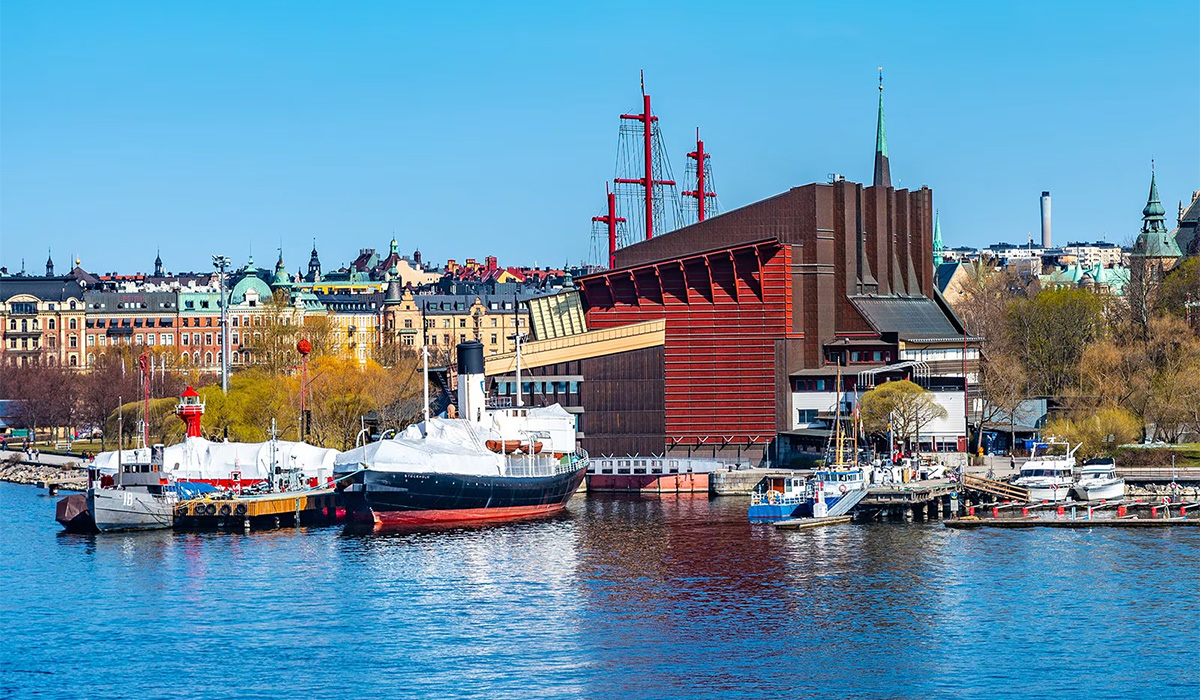
Vasa Museum
A major Stockholm museum experience focused on the remarkably preserved 17th-century warship
Vasa.
Skansen
Open-air museum and historic environment on Djurgården; particularly appealing to families and
visitors interested in Swedish traditions.
Modern Art & Design
Stockholm’s museum and design scene provides an excellent rainy-day backup.
Stockholm Metro Art
Several stations feature large-scale mosaics, sculptures and paintings. Visit Sweden notes that about
100 stations have artistic decoration.
Waterfront Walk
Choose a route around central islands, parks and harbor viewpoints.
Public Sauna / Bathhouse
A sauna or traditional bath experience can add relaxation to a sightseeing-heavy itinerary.
Archipelago Boat Ride
Even a short ferry journey provides a different perspective on Stockholm’s island geography.Sweden Regional Travel Guide • Stockholm & Central Sweden • 2026 Edition
Page 11
09 — STOCKHOLM ARCHIPELAGO
The Stockholm Archipelago is one of the region’s defining attractions. Visit Stockholm describes an
area of more than 30,000 islands and islets, with options ranging from short island trips to multi-day
stays.
Good Island Choices for First-Timers
Destination
Why Go
Planning Note
Fjäderholmarna
Very close to the city; easy short escape
Good for a half-day experience.
Vaxholm
Classic archipelago town
Useful introduction to island-town life.
Grinda
Nature, trails and swimming
Allow more time for transport and
walking.
Sandhamn
Harbor atmosphere and outer-archipelago
feel
Better with a full day or overnight.
Utö
Cycling, nature and island atmosphere
Plan ferry timing carefully.
Möja
More remote island character
Better suited to travelers with a
slower itinerary.
Transport Strategy
Island trips may involve land transport plus boats, and several destinations are served by public
archipelago operators. Routes and ticket arrangements vary, so verify the exact timetable for your
travel date.
Overnight Stay
Staying overnight lets you hike, swim, eat locally and experience the islands after most day visitors
have left. Accommodation can range from hotels and hostels to campsites, B&Bs; and glamping.Sweden Regional Travel Guide • Stockholm & Central Sweden • 2026 Edition
Page 12
10 — DAY TRIPS
UPPSALA
A historic university city north of Stockholm, suitable for a relaxed cultural day trip with cathedral,
old-town streets, museums and cafés.
SIGTUNA
Often presented as Sweden’s oldest town, Sigtuna makes a compact historical excursion with a
small-town atmosphere, waterfront walks and heritage sites.
VAXHOLM
A classic Stockholm Archipelago town. It is convenient for travelers who want an island-town
experience without committing to a remote overnight trip.
DROTTNINGHOLM
A palace and cultural destination associated with Stockholm’s royal heritage. Check seasonal opening
hours and transport before planning.
NATURE EXTENSIONS
The wider Stockholm region contains forests, islands and protected natural areas. Visit Sweden
emphasizes that nature and even national parks can be reached relatively easily from the capital.
Day-trip rule
Pick one main excursion per day. Swedish public transport and island connections are easy to use but still
take time; building several remote stops into one day often creates unnecessary stress.
No account yet?
Create an Account