01 – AT A GLANCE
Denmark combines a highly walkable capital, strong cycling culture, historic towns, beaches and a long
coastline. VisitDenmark describes Copenhagen as a city of cafés, shops, restaurants and iconic sights
such as Nyhavn, Tivoli, Strøget and Amalienborg.
Item
Quick Answer
Ideal first visit
4-7 days
Best for
City breaks, design, food, cycling, castles, coastal escapes and families
Best summer window
June-August
Shoulder seasons
May, early June and September can be excellent for comfortable
sightseeing
Main airport
Copenhagen Airport (CPH)
Main city hubs
Copenhagen Central Station / Nørreport
Main transport
Metro, S-train, regional train, bus, bicycle, walking and ferry
Currency
Danish krone (DKK)
Emergency number
112
Travel planner
Rejseplanen
Copenhagen’s metro connects the airport with the city, while Rejseplanen provides current schedules,
routes and transport information for trains, buses and ferries across Denmark.Denmark Regional Travel Guide • Copenhagen, North Zealand & Jutland • 2026 Edition
Page 4
02 – WHEN TO VISIT
Denmark works year-round, but daylight, weather and outdoor activity vary by season.
Season
What to Expect
Best For
Winter
Short days, cool weather, Christmas atmosphere
and museums
Christmas, food, design, cozy city
breaks
Spring
Longer days, fresh greenery and variable weather
Cafés, cycling, parks and museums
Summer
Long daylight, outdoor dining, beaches and island
trips
First-time visitors, coast, cycling,
family trips
Autumn
Cooler weather, cultural calendar and seasonal
food
Food, culture, photography and
slower travel
VisitDenmark also highlights May, early June and September as attractive shoulder-season periods, with
long days and generally comfortable conditions.
Choose by trip style
Classic Copenhagen: April-October.
Beach and cycling: June-August.
Christmas atmosphere: late November-December.
Bornholm and coastal road trips: late spring through early autumn.Denmark Regional Travel Guide • Copenhagen, North Zealand & Jutland • 2026 Edition
Page 5
03 – GETTING TO DENMARK
By Air
Copenhagen Airport is the main international gateway for the capital region. Its metro connection
makes airport-to-center travel particularly straightforward.
By Train
Copenhagen is well connected by rail to Odense, Aarhus and other Danish cities. Cross-border trains
also make it easy to combine Denmark with Sweden or Germany.
By Ferry
Ferries remain important for Danish islands and international connections. Rejseplanen includes ferry
information in its journey-planning system.
Arrival Strategy
For Copenhagen only, stay central and use public transport.
For Copenhagen + Aarhus, rail is the easiest core connection.
For Bornholm, compare flight and ferry options based on season and luggage.
Check current schedules before fixing a tightly timed itinerary.Denmark Regional Travel Guide • Copenhagen, North Zealand & Jutland • 2026 Edition
Page 6
04 – GETTING AROUND
Denmark is one of Europe’s easier countries to navigate without a car. Rejseplanen combines current
timetable and route information for Danish public transport.
Mode
Best Use
Practical Tip
Metro
Copenhagen city and airport
Fast and simple for central trips.
S-train
Copenhagen suburbs
Useful for day trips and outer districts.
Regional train
Copenhagen to Odense /
Aarhus
Convenient for intercity travel.
Bus
Local and regional routes
Check Rejseplanen before departure.
Bicycle
Copenhagen and many towns
Excellent for short city trips; follow cycling rules.
Ferry
Islands and coastal routes
Check schedules and allow buffer.
Car
Rural Jutland / Bornholm
Useful outside cities; parking can be limited centrally.
Copenhagen is especially bicycle-friendly, and cycling is a practical way to see neighborhoods beyond the
main tourist core.Denmark Regional Travel Guide • Copenhagen, North Zealand & Jutland • 2026 Edition
Page 7
05 – WHERE TO STAY
Base
Best For
Advantages
Watch Out For
Indre By
First-time visitors
Walkable, central sights and shopping
Higher demand
Vesterbro
Food, nightlife,
couples
Restaurants, cafés, Central Station
Livelier evenings
Nørrebro
Local atmosphere
Independent food and shops
Less
classic-tourist feel
Christianshavn
Canals, atmosphere
Waterfront streets, central access
Popular in
summer
Østerbro
Families, quiet stays
Parks, waterfront, residential feel
Fewer nightlife
options
Aarhus Center
Culture and city
breaks
Walkable museums and dining
Weekend demand
Odense Center
History and families
H.C. Andersen heritage, compact center
Smaller nightlife
scene
Bornholm base
Island holiday
Nature, beaches, slower pace
More transport
planning
For a 3-4 day Copenhagen stay, choose a location near a metro or major station. That usually saves
more time than choosing a larger room far from the center.Denmark Regional Travel Guide • Copenhagen, North Zealand & Jutland • 2026 Edition
Page 8
06 – COPENHAGEN NEIGHBORHOOD GUIDE
Indre By
The historic core and the best base for Nyhavn, Amalienborg, Strøget, canals and major museums.
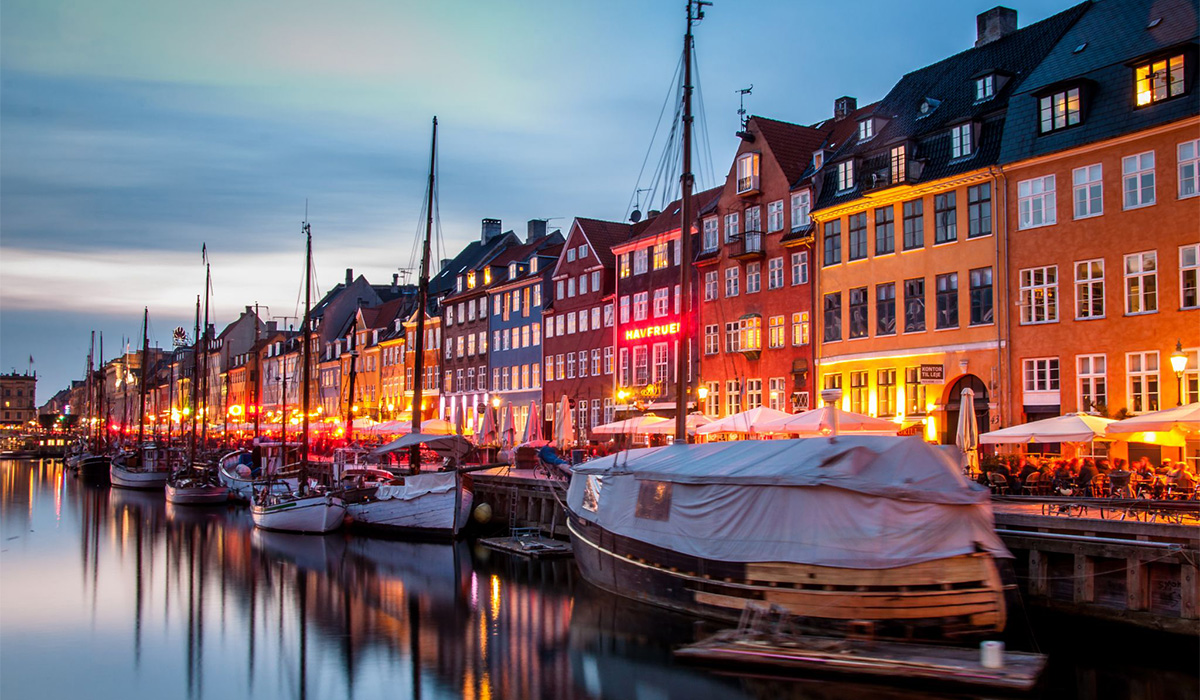
Nyhavn & Harbor
Colorful waterfront buildings, canal tours, restaurants and evening walks. Nyhavn is one of
Copenhagen’s classic must-sees.
Vesterbro
Lively, food-oriented and close to Central Station; good for cafés, restaurants and nightlife.
Nørrebro
Independent shops, cafés, street life and a more local urban atmosphere.
Christianshavn
Historic canals and waterfront streets; a natural bridge between the central core and alternative city
experiences.
Østerbro
Quiet, green and residential, with parks and access toward Kastellet and the waterfront.
Frederiksberg
Elegant and green, with parks and a relaxed pace while remaining close to central Copenhagen.
Simple walking route
Central Station -> Tivoli -> Strøget -> Nyhavn -> Amalienborg -> Kastellet. Adjust for daylight, weather
and opening hours.Denmark Regional Travel Guide • Copenhagen, North Zealand & Jutland • 2026 Edition
Page 9
07 – FOOD & DANISH HYGGE
Danish food culture combines rye bread, seafood, pastries, dairy, seasonal vegetables and modern
Nordic cooking. Copenhagen offers everything from traditional counters to high-end restaurants.
Foods Worth Trying
Smørrebrød – open-faced rye-bread sandwiches.
Danish pastries (wienerbrød).
Frikadeller – Danish-style meatballs.
Pickled herring and other seafood.
Rugbrød – dense rye bread used in traditional meals.
Pølsevogn hot dogs.
Seasonal cakes, berries and desserts.
Hygge
Hygge is the Danish idea of coziness, comfort and enjoying simple time together. For travelers, think
warm cafés, candles, bakery stops and unhurried evenings.
Format
Best Use
Bakery / café
Breakfast, pastry and coffee.
Smørrebrød counter
Traditional lunch.
Food hall
Flexible sampling.
Nordic restaurant
Modern Danish cuisine.
Street food
Quick local-style meal.Denmark Regional Travel Guide • Copenhagen, North Zealand & Jutland • 2026 Edition
Page 10
08 – TOP COPENHAGEN EXPERIENCES
Nyhavn
Classic waterfront atmosphere and one of the city’s best-known views.
Tivoli Gardens
Historic amusement park and seasonal entertainment venue; check opening dates.
Amalienborg
Royal palace complex in the historic center.
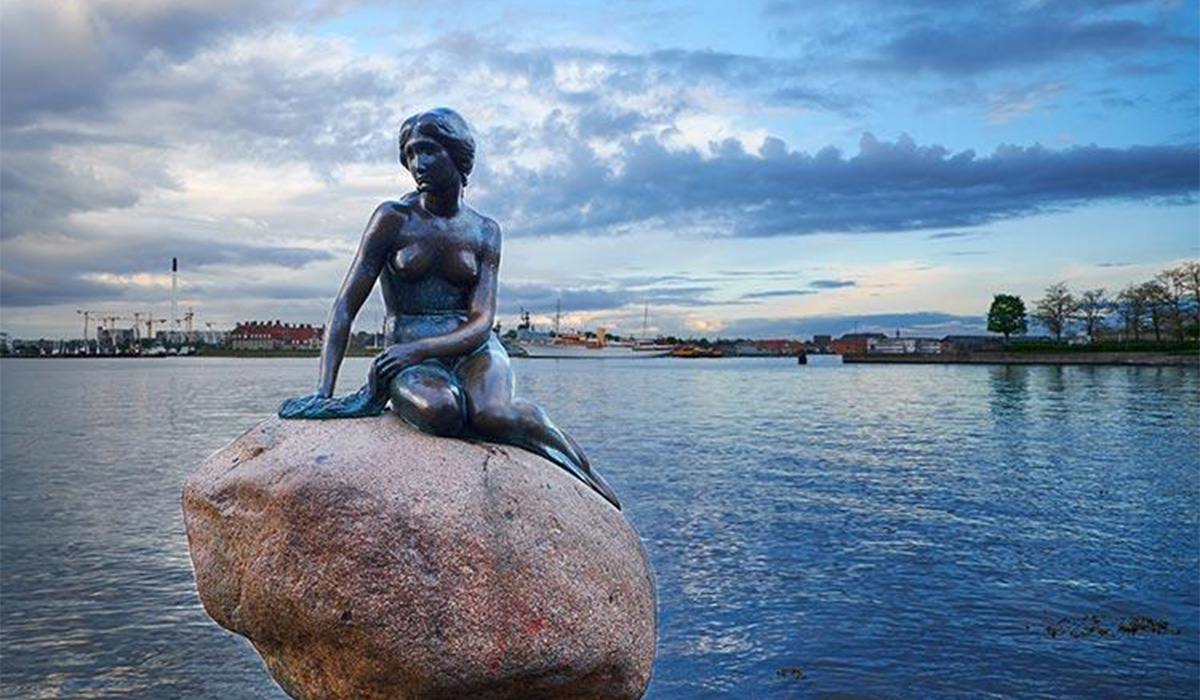
The Little Mermaid
Famous waterfront landmark; combine with Kastellet.
Rosenborg Castle
Historic royal castle and gardens.
National Museum of Denmark
Strong introduction to Danish history and culture.
Louisiana Museum of Modern Art
Major art day trip on the North Zealand coast.
Canal Tour
See Copenhagen from the water and understand its harbor geography.
Cycling
A practical way to explore neighborhoods beyond the central sights.
2026 Highlight
VisitDenmark’s 2026 program includes the opening of James Turrell’s major work ‘The Dome’ at ARoS
Aarhus Art Museum on 19 June 2026.Denmark Regional Travel Guide • Copenhagen, North Zealand & Jutland • 2026 Edition
Page 11
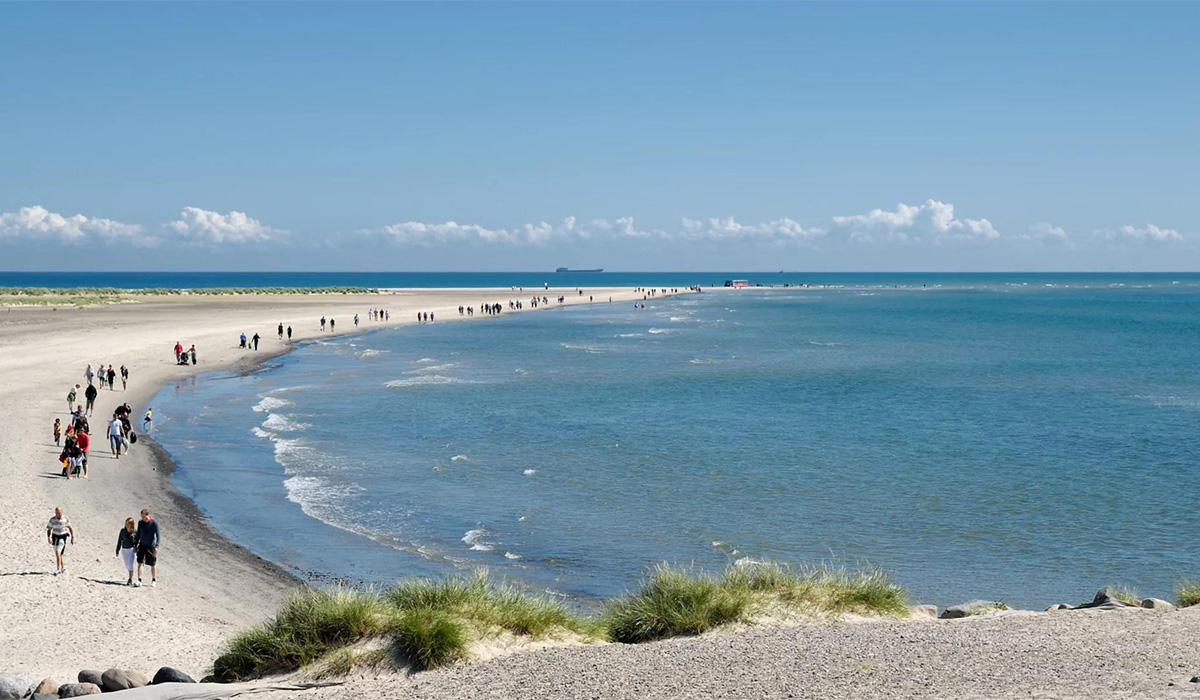
09 – NORTH ZEALAND & COASTAL ESCAPES
North Zealand is ideal for combining beaches, royal history, art and smaller coastal towns without
traveling far from Copenhagen. VisitDenmark describes the coastal strip north of Copenhagen as the
Danish Riviera.
Destination
Why Go
Planning Note
Helsingor
Kronborg Castle and harbor
Easy day trip.
Louisiana
Modern art + seaside setting
Half to full day.
Klampenborg
Beach and parkland
Good in warm weather.
Fredensborg
Royal heritage
Check seasonal access.
Roskilde
Viking heritage and cathedral
Excellent history-focused trip.
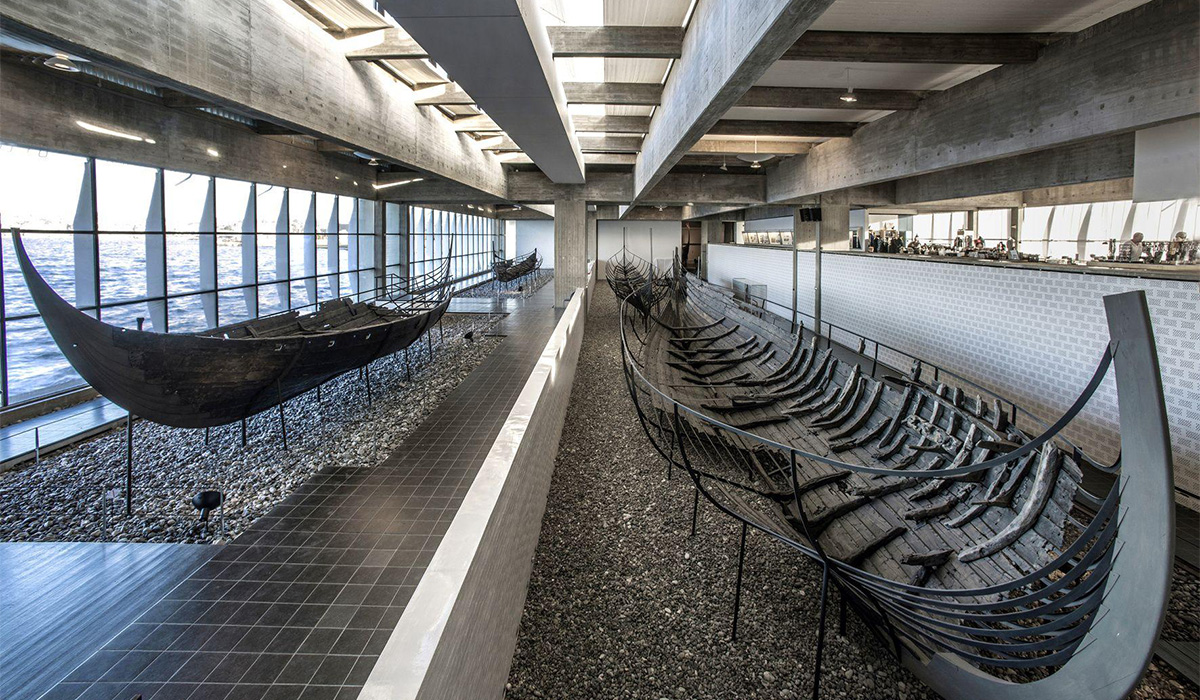
Roskilde Viking Ship Museum
VisitDenmark notes that the museum is around 30 minutes from Copenhagen and houses five original
Viking ships.
Coastal planning
Use rail for straightforward day trips. A rental car becomes more useful when combining several rural
stops.Denmark Regional Travel Guide • Copenhagen, North Zealand & Jutland • 2026 Edition
Page 12
10 – ODENSE & FUNEN
Odense is closely associated with Hans Christian Andersen and works well as a cultural day trip or
overnight stop between Copenhagen and Jutland.
Top Experiences
Hans Christian Andersen Museum and related city sights.
Historic streets and old-town atmosphere.
Cafés and local restaurants.
Egeskov Castle and grounds.
Cycling around Funen in good weather.
Accommodation
Stay central for a short cultural trip. Countryside accommodation is better for families and
road-trippers.
Transport
Train is the easiest connection from Copenhagen; a car is useful when combining Odense with several
rural attractions.