$24.99
01 — AT A GLANCE
Helsinki is Finland’s capital and a compact Baltic Sea city where architecture, design, food, public
saunas and coastal nature are unusually close together. The official tourism organizations emphasize
the city’s walkability, public transport and access to islands and nature.
Item
Quick Answer
Ideal first visit
3–5 days
Best for
City breaks, design, food, architecture, sauna, families, short Nordic
trips
Best summer window
June–August
Best winter window
December–March for a classic snowy-city experience; conditions vary
Airport
Helsinki Airport (HEL)
Airport to center
About 30 minutes by train; official city guidance says roughly 27–30
minutes depending on service/source.
Main transport
Tram, metro, bus, commuter rail, ferry, walking and cycling
Car needed?
Usually no for Helsinki itself
Emergency number
112
Currency
Euro (€)
Time zone
Eastern European Time / Eastern European Summer Time
The Helsinki Region also works well as a gateway. From Helsinki Central Railway Station, rail services
connect with destinations across Finland, including Turku, Oulu and Rovaniemi. Finland Regional Travel Guide • Helsinki & Southern Finland • 2026 Edition
Page 4
02 — WHEN TO VISIT
Helsinki changes character dramatically by season. Choose your travel dates based on the
experience you want, not simply the weather.
Season
What to Expect
Best For
Winter
Short daylight, cold weather, possible snow,
cozy cafés, saunas and winter atmosphere
Christmas trips, museums, sauna,
photography
Spring
Longer daylight, changing weather and gradual
warming
Lower-key city breaks, museums,
cafés
Summer
Long daylight, outdoor dining, islands, parks,
cycling and waterfront life
First-time visitors, families, outdoor
activities
Autumn
Cooler weather, colorful foliage and a quieter
atmosphere
Food, culture, photography, relaxed
city trips
Daylight planning matters. In summer, evenings remain bright for a long time; in winter, daylight hours
are much shorter. Build indoor attractions into winter itineraries and outdoor experiences into the
brightest part of the day.
Recommended planning by traveler type
First-time visitor: May–September for the easiest combination of sightseeing, daylight and outdoor
access.
Christmas / winter atmosphere: December, while checking current snow and weather conditions
before departure.
Budget-conscious traveler: Consider shoulder seasons and compare accommodation prices before
fixing dates.
Island and archipelago traveler: Late spring through early autumn, with summer offering the
broadest range of seasonal services.Finland Regional Travel Guide • Helsinki & Southern Finland • 2026 Edition
Page 5
03 — GETTING THERE
By Air
Helsinki Airport (HEL) is the main international gateway. MyHelsinki reports that the airport is about
19 km from the city center and that local trains connect the airport with central Helsinki in roughly 30
minutes.
By Ferry
Helsinki has several passenger-ferry terminals and international ferry links to destinations including
Estonia, Sweden, Germany and Poland. Ferry travel can be especially useful for travelers combining
Helsinki with Tallinn or Stockholm.
By Train
Helsinki Central Railway Station is the main rail hub. Official city information lists approximate
journey times of around 2 hours to Turku, 6–9 hours to Oulu and roughly 8 hours 20 minutes–11 hours
50 minutes to Rovaniemi, depending on service.
Arrival Strategy
Stay near a central rail or metro connection if you plan to take day trips.
Download the HSL app before leaving the airport so you can check routes and ticket options.
If arriving late, confirm your accommodation’s check-in policy in advance.
Do not automatically rent a car at the airport; for central Helsinki, public transport is generally more
convenient.Finland Regional Travel Guide • Helsinki & Southern Finland • 2026 Edition
Page 6
04 — GETTING AROUND
Helsinki is unusually easy to navigate without a car. The city’s official visitor information describes the
center as pedestrian-friendly and highlights integrated transport covering trams, buses, metro,
commuter trains, bicycles and ferries.
Mode
Best Use
Practical Tip
Walking
Central sightseeing
Many major sights are close together.
Tram
Central neighborhoods
Excellent for sightseeing and short city journeys.
Metro
Longer east–west trips
Useful for reaching areas beyond the historic center.
Bus
Neighborhoods and wider
region
Use the HSL journey planner for route changes.
Train
Airport and nearby cities
Useful for Vantaa, Espoo connections and longer rail
trips.
Ferry
Suomenlinna and islands
Check seasonal schedules before planning an island
day.
Cycling
Summer exploration
Helsinki has an extensive cycling network; city bikes
are seasonal.
Taxi
Late-night or luggage-heavy
travel
Use a reputable app or official taxi rank and check
pricing.
Tickets & Apps
The HSL system integrates several transport modes. Current official guidance says a single valid
ticket can cover trams, buses, metro, commuter trains and the Suomenlinna ferry, subject to the
ticket’s zones and validity. Check current fares and zone requirements in the HSL app because prices
and ticket rules can change.
Taxi tip: when booking through an app, look for a fixed price when available. MyHelsinki specifically
recommends checking pricing to avoid unpleasant surprises. Finland Regional Travel Guide • Helsinki & Southern Finland • 2026 Edition
Page 7
05 — WHERE TO STAY
Choose your neighborhood based on how you plan to spend your time.
Area
Best For
Advantages
Watch Out For
Kamppi / Central
First-time visitors
Convenient transport, shopping,
restaurants, walkability
Can feel busy
Kluuvi / Station
Area
Rail travelers
Excellent connections, central
location
More urban / less
residential
Punavuori / Design
District
Design, cafés, couples
Boutiques, galleries, restaurants,
walkable streets
Accommodation
can be pricier
Kallio
Nightlife, younger
travelers, local
atmosphere
Casual dining, bars, neighborhood
feel
Less traditional
tourist atmosphere
Katajanokka
Waterfront and
architecture
Historic buildings, harbor
atmosphere, easy ferry access
Fewer options
immediately
outside the area
Töölö
Museums, parks,
quieter stay
Close to cultural attractions and
green space
Slightly farther
from some central
shopping
Espoo
Nature, longer stays,
business travel
More space, access to nature and
metro/train links
Less convenient
for daily central
sightseeing
Vantaa
Airport convenience
Good for early flights or airport-area
stays
Not ideal as a
sightseeing base
Accommodation Strategy
For a 3-day first visit, prioritize location over room size.
For families, compare apartment-style accommodation with traditional hotels.
For an early international flight, an airport-area hotel can reduce morning stress.
For a longer stay, Espoo can be attractive if you plan to combine city sightseeing with nature.Finland Regional Travel Guide • Helsinki & Southern Finland • 2026 Edition
Page 8
06 — NEIGHBORHOOD GUIDE
Senate Square & Historic Center
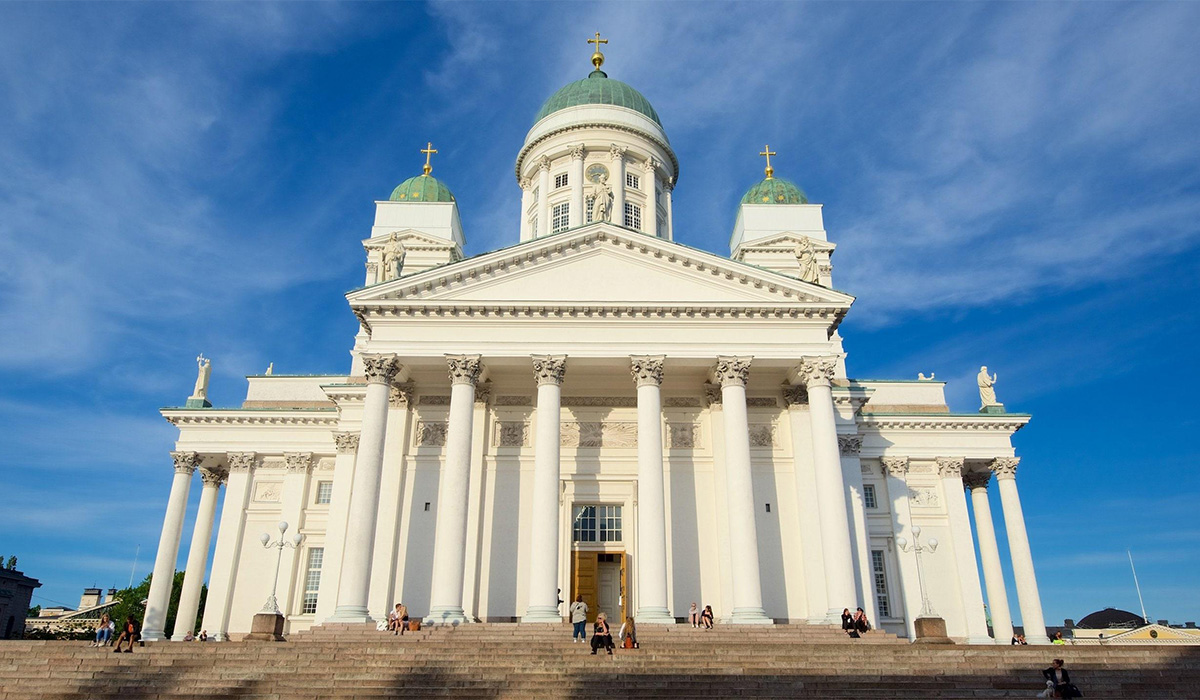
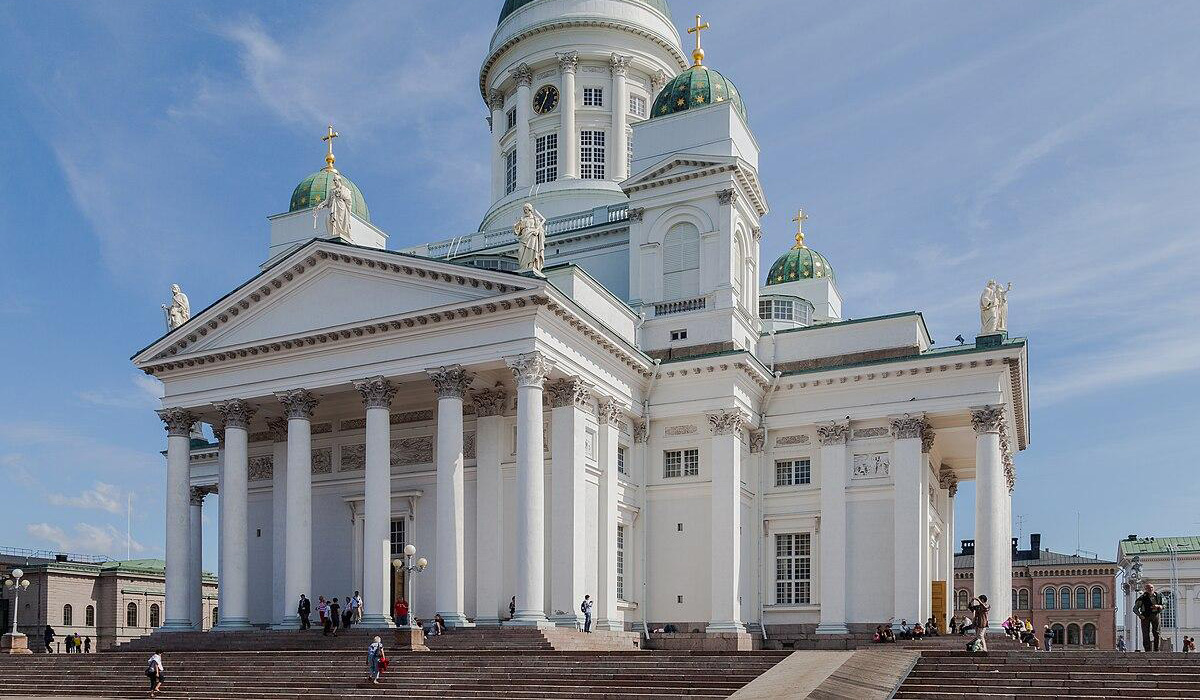
Best for first-time sightseeing. Start with Helsinki Cathedral and continue toward the harbor, Market
Square and Esplanadi.
Esplanadi & Market Square
A central waterfront zone for walking, cafés, shopping and access toward the harbor and island
ferries.
Design District
Ideal for architecture, Finnish design, boutiques, galleries, cafés and independent shops.
Kallio
A more relaxed neighborhood with casual restaurants, bars, cafés and a local urban atmosphere.
Töölö
Good for museums, parks and waterfront walks; a useful balance between central access and quieter
streets.
Kaivopuisto Waterfront
Best for coastal walking, parks and sea views. The shoreline is one of the city’s pleasant slow-travel
experiences.
Katajanokka
A historic waterfront neighborhood with distinctive architecture and ferry-terminal access.
Suomenlinna
Not a normal hotel district; treat it as a half-day or full-day island experience.
Local-style walking idea
Begin near the historic center, walk toward Esplanadi and the harbor, continue along the waterfront, then
finish around Kaivopuisto if daylight and weather allow. Official Helsinki guidance highlights the shoreline
around Kaivopuisto as a particularly scenic walking route. Finland Regional Travel Guide • Helsinki & Southern Finland • 2026 Edition
Page 9
07 — FOOD & DINING
Helsinki’s food scene combines Finnish ingredients with modern Nordic cooking. Official tourism
information highlights everything from Michelin-starred restaurants and wild-food concepts to street
food and market-hall experiences.
What to Try
Salmon soup — a creamy Finnish-style fish soup and an easy introduction to local flavors.
Karelian pies — rye-based pastries commonly associated with Finnish everyday food culture.
Rye bread — dense, hearty and widely available.
Cinnamon buns — an excellent choice for a Finnish coffee break.
Fresh fish and seasonal seafood — particularly relevant in a Baltic coastal city.
Berry and mushroom dishes — look for seasonal menus featuring local forest ingredients.
Finnish-style meatballs and potatoes — simple comfort food found in many casual restaurants.
Where to Eat
Format
Why Choose It
Market halls
Good for sampling local foods and casual meals.
Cafés
Ideal for coffee, pastries and a slow afternoon.
Lunch menus
Often a practical value option on weekdays.
Neighborhood restaurants
Useful for a more local evening away from major tourist areas.
Fine dining
Choose this if Finnish/Nordic ingredients and tasting menus are a major
reason for your trip.
Street food
Good for quick meals and budget control.
Dining Etiquette
Reservations are sensible for popular restaurants, especially on Friday and Saturday evenings.
Do not assume every restaurant is open late.
Check Sunday and holiday opening hours.
Tips are not as culturally central as in the United States; service charges and local practices vary, so
check the bill rather than automatically adding a large percentage.Finland Regional Travel Guide • Helsinki & Southern Finland • 2026 Edition
Page 10
08 — TOP EXPERIENCES
Helsinki Cathedral & Senate Square
A classic first stop for understanding the city’s historic center.
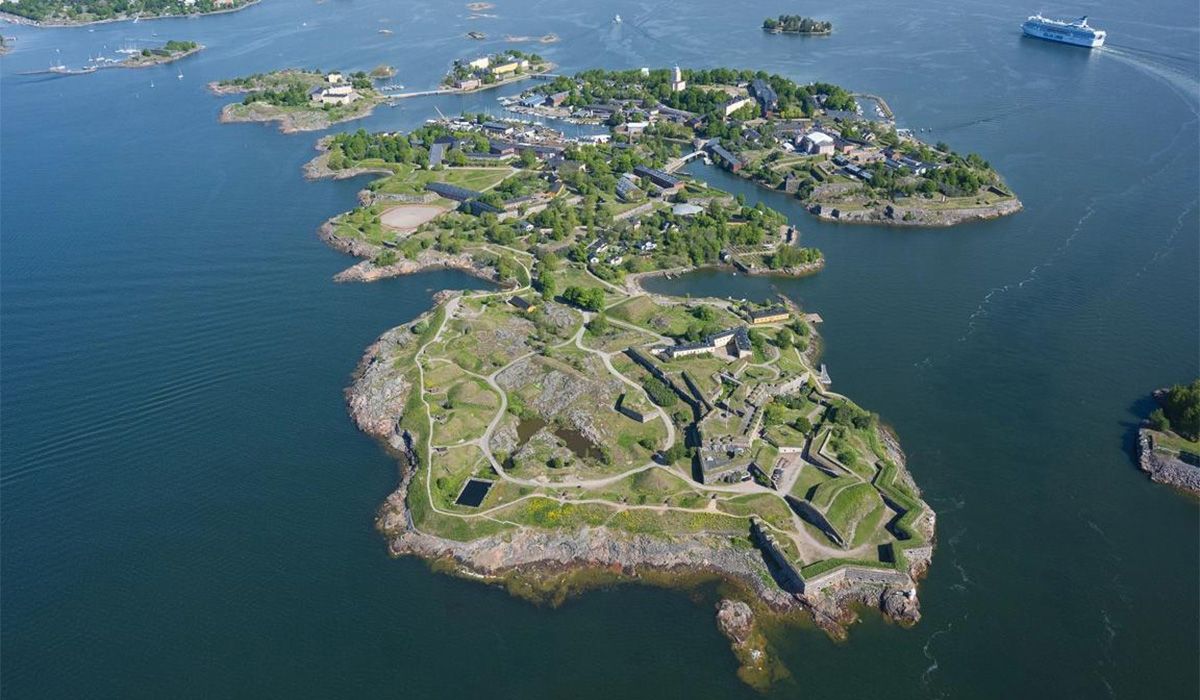
Suomenlinna Sea Fortress
Take the ferry and allow several hours for walking, history and waterfront views. HSL tickets can
cover the public ferry when the ticket is valid for the required zone/service.
Oodi Central Library
A modern public-space experience that demonstrates Helsinki’s contemporary civic design.
Design District
Explore Finnish design, architecture, independent shops and cafés.
Public Sauna
Sauna is a central part of Finnish culture; Helsinki offers both traditional and modern public-sauna
experiences.
Market & Waterfront
Combine local food browsing with a walk around the harbor.
Art & Museums
Build at least one indoor cultural stop into a rainy-day itinerary.
Island Day
Helsinki’s archipelago includes more than 300 islands; ferry travel is part of the city’s identity.
Suomenlinna Planning Note
Schedules and routes are seasonal. Official Helsinki information lists the public Suomenlinna ferry as part
of the city’s integrated transport network, while other island routes may operate only during particular
months. Always verify the current schedule before setting a tight itinerary. Finland Regional Travel Guide • Helsinki & Southern Finland • 2026 Edition
Page 11
09 — DAY TRIPS
PORVOO
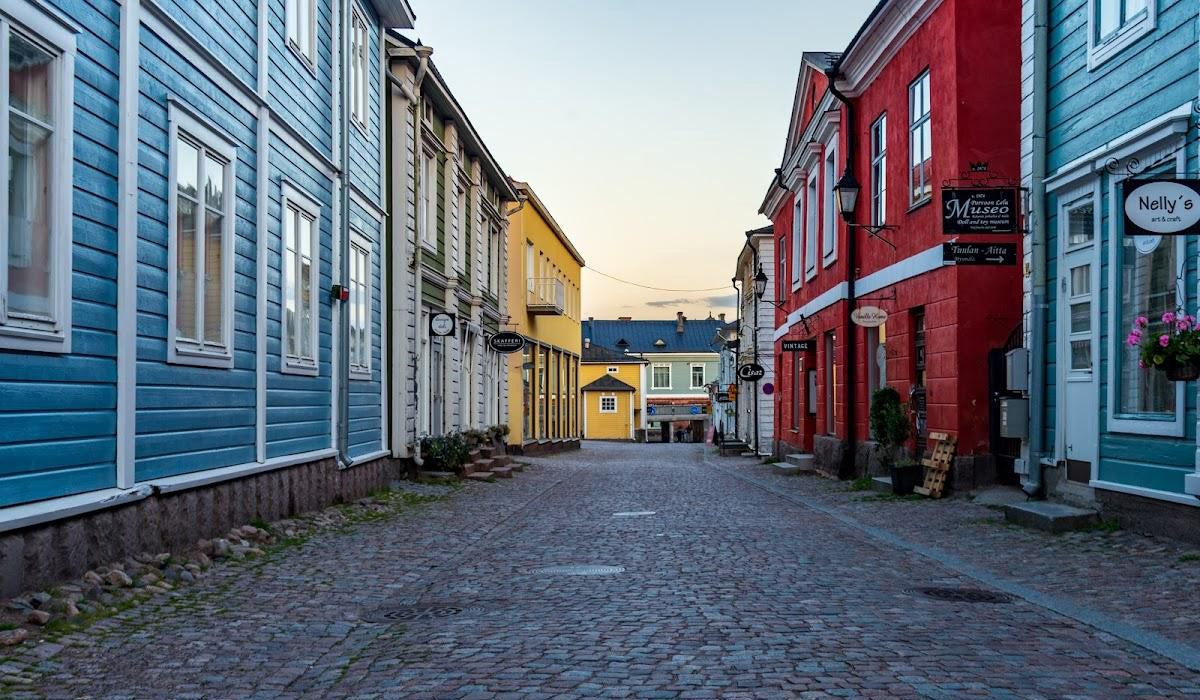
Porvoo is one of the easiest and most rewarding day trips from Helsinki. Its Old Town is known for
historic wooden buildings, cobblestone streets, riverside scenery, cafés and small shops. Visit Finland
notes that regular buses from Helsinki’s Kamppi terminal take a little over an hour.
Suggested Porvoo day
Morning: travel from Helsinki to Porvoo.
Late morning: explore Old Town and the riverside.
Lunch: choose a local restaurant or café.
Afternoon: browse independent shops and continue exploring the historic center.
Evening: return to Helsinki.
NUUKSIO / ESPOO NATURE
For travelers who want forests and lakes without leaving the Helsinki region, Espoo and nearby nature
areas provide an easy contrast to the capital. Plan around daylight, trail conditions and transport
connections; some routes are much easier with a car or a carefully checked public-transport itinerary.
FISKARS
Fiskars is a historic ironworks village known for crafts, design and a slower countryside atmosphere. It
works particularly well for travelers interested in Finnish design, food and local makers. The Helsinki
region tourism organization specifically highlights Fiskars and other historic villages as day-trip
destinations. Finland Regional Travel Guide • Helsinki & Southern Finland • 2026 Edition
Page 12
10 — THREE-DAY ITINERARY
DAY 1 — HISTORIC HELSINKI
Senate Square and Helsinki Cathedral
Walk through Esplanadi toward the harbor
Market Square / waterfront lunch
Oodi or a museum in the afternoon
Dinner in the city center
Optional evening sauna
DAY 2 — SUOMENLINNA + DESIGN
Morning ferry to Suomenlinna
Explore the fortress and island paths
Return to the city for lunch
Explore the Design District
Coffee and Finnish pastry
Dinner in Punavuori or another central neighborhood
DAY 3 — PORVOO OR CITY NATURE
Option A: full-day Porvoo trip
Option B: Espoo / nature-focused day
Return to Helsinki
Final waterfront walk
Sauna or relaxed dinner
Pace Advice
Do not schedule every hour. Helsinki rewards spontaneous café stops, waterfront walks and
neighborhood exploration.
No account yet?
Create an Account