$24.99
01 – AT A GLANCE
Norway is defined by dramatic contrasts: compact cities, long coastlines, deep fjords, mountain
landscapes and Arctic destinations. The national tourism authority groups the country into Eastern,
Western/Fjord, Southern, Trondelag and Northern regions, plus Svalbard.
Item
Quick Answer
Ideal first trip
7-10 days for a meaningful mix; 3-5 days for one region
Best for
Fjords, mountains, scenic rail journeys, road trips, northern lights,
hiking, coastal travel
Summer
June-August: longest days and easiest access to many outdoor routes
Shoulder seasons
May-June and September-October can offer fewer crowds; exact
conditions vary
Winter
December-March: snow, northern lights opportunities and winter
activities
Main international gateway
Oslo Airport (OSL), plus strong international links to Bergen, Tromso and
other cities
Main planning app
Entur – Norway’s national travel planner
Transport mix
Plane, train, bus, ferry, express boat and car
Currency
Norwegian krone (NOK)
Emergency number
112
Important principle
Distances are longer than they look on a map; build buffer time into
itineraries
Visit Norway states that Norway can be reached and explored by plane, train, bus, ferry or car, and
identifies Entur as the national planner for public transportation.Norway Regional Travel Guide – Oslo, Fjord Norway & Northern Norway – 2026 Edition
Page 4
02 – WHEN TO VISIT
There is no single best month for Norway. The right season depends on whether you want fjord
cruising, hiking, road trips, skiing or Arctic winter experiences.
Season
Main Character
Best For
Winter
Short days in the south and north, snow in many
areas, Arctic night in the far north
Northern Lights, skiing, Christmas
atmosphere, winter photography
Spring
Rapidly changing conditions and melting snow;
access varies by altitude
City breaks, waterfalls, lower-season
travel
Summer
Long days, midnight sun in the north, broadest
access to roads and outdoor activities
Fjords, hiking, road trips, islands,
scenic trains
Autumn
Cooler weather, colorful landscapes and lower
visitor volumes in many areas
Photography, food, hiking in suitable
conditions, slower travel
For a first-time fjord trip, summer is the simplest season. For Northern Lights travel, the season depends
on darkness and weather rather than a guarantee of activity; clear skies are essential, and sightings are
never guaranteed.
Season-by-traveler
First visit focused on fjords: June-August.
Northern Lights: autumn through winter into early spring, with local darkness and weather as key
factors.
Scenic road trip: late spring through early autumn, after checking mountain-pass and road
conditions.
Ski holiday: winter to early spring, with conditions varying by resort and year.Norway Regional Travel Guide – Oslo, Fjord Norway & Northern Norway – 2026 Edition
Page 5
03 – GETTING TO NORWAY
By Air
Oslo Airport is Norway’s principal air hub and is connected to more than 100 international
destinations, while Bergen, Tromso, Stavanger, Trondheim, Kristiansand and other airports also have
international or domestic connections.
By Train
Norway has rail links to Sweden and Denmark, and scenic domestic rail journeys connect Oslo with
cities and regions including Bergen and Trondheim. Visit Norway describes the Bergen Line as one of
the world’s beautiful train journeys; the Oslo-Bergen journey takes about seven hours on scheduled
services.
By Ferry / Boat
Ferries and express boats are important parts of Norwegian transport, particularly across fjords and
along the coast. International ferry routes also link Norway with Denmark, Sweden and Germany.
Arrival Strategy
For a city + fjords itinerary, fly into Oslo and consider rail toward Bergen or connect by air.
For Northern Norway, consider a domestic flight to Tromso, Bodo or another regional airport.
For Lofoten, check routes via Bodo or Lofoten/Harstad-Narvik, Svolvaer or Leknes depending on your
itinerary.
Check visa requirements separately for your nationality before booking.Norway Regional Travel Guide – Oslo, Fjord Norway & Northern Norway – 2026 Edition
Page 6
04 – GETTING AROUND
Norway’s transportation network works best when you combine modes. The official travel planner
Entur covers route planning and tickets for most public journeys. For road travel, Norway’s Public
Roads Administration provides current traffic and mountain-pass information.
Mode
Best Use
Practical Tip
Train
Oslo-Bergen, Oslo-Trondheim
and scenic inland journeys
Book ahead for popular departures and scenic routes.
Plane
Long distances and Northern
Norway
Often the most efficient way to connect southern and
northern regions.
Bus
Cities, regional links and some
remote areas
Use Entur for current connections.
Ferry
Fjord crossings and island
travel
Queues can occur in summer; check departures before
driving to terminals.
Express boat
Coastal / fjord connections
Useful in Western and Northern Norway.
Rental car
Fjords, rural areas, Lofoten
road trips
Build in weather and ferry buffer; mountain roads can
be demanding.
Cruise / coastal
ship
Coast-to-coast scenic travel
Good for travelers who want the journey itself to be
part of the trip.
Road trip warning: summer ferry queues are common on some popular routes, and mountain passes can
close or become difficult in poor conditions. Check current road and ferry information rather than relying
on an old itinerary. Norway Regional Travel Guide – Oslo, Fjord Norway & Northern Norway – 2026 Edition
Page 7
05 – WHERE TO STAY
Base
Best For
Why It Works
Watch Out For
Oslo Center
First-time city visit
Easy public transport, museums,
waterfront, dining
Higher rates in
prime locations
Bergen Center
Fjords + city
Compact, historic, strong gateway to
Fjord Norway
Rain is common;
pack layers
Flam / Aurland
Fjord scenery
Great for fjord landscapes and scenic rail
Small supply of
rooms; book early
Stavanger
Pulpit Rock +
southwest fjords
Excellent base for Lysefjord area
Outdoor plans
depend heavily
on weather
Tromso Center
Northern Lights +
Arctic activities
Strong domestic/international air access,
compact center
Peak winter
demand can push
prices up
Svolvaer /
Leknes
Lofoten road trip
Convenient bases for exploring islands
Limited
availability in
popular periods
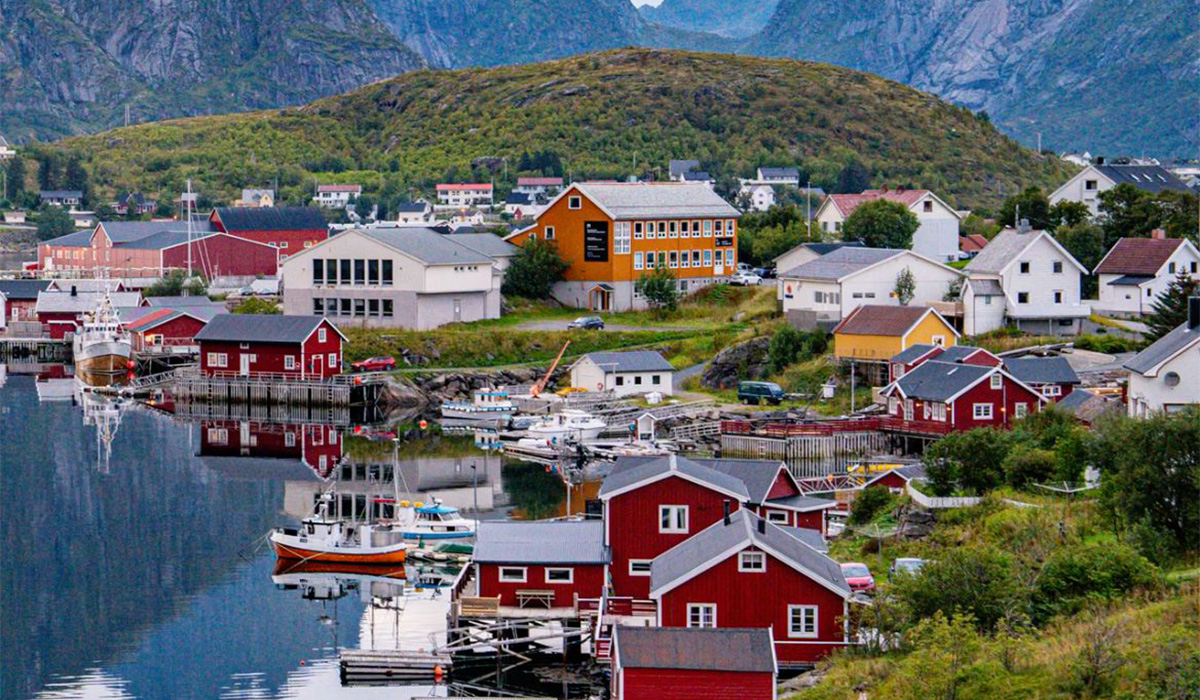
Reine / Hamnoy
area
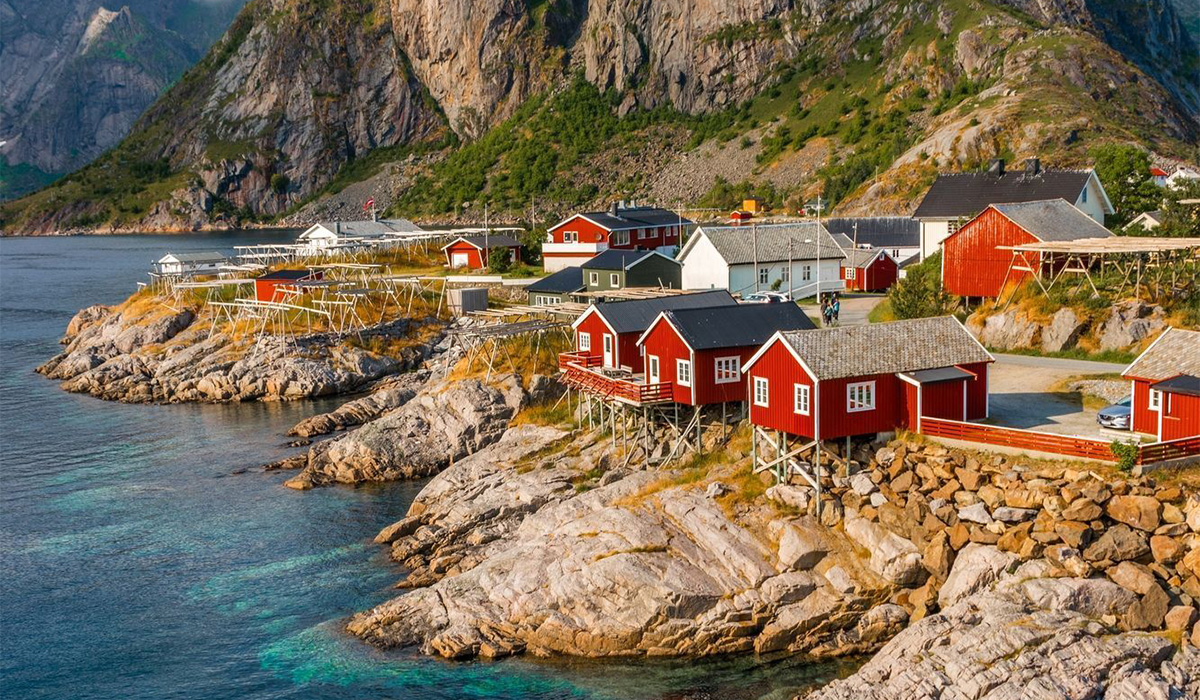
Iconic Lofoten scenery
Spectacular landscapes and village
atmosphere
Very limited
accommodation;
transport
planning matters
Norway offers hotels, cabins, campsites, farms, hostels, apartments and mountain lodges. Visit
Norway specifically highlights this broad range of accommodation styles. Norway Regional Travel Guide – Oslo, Fjord Norway & Northern Norway – 2026 Edition
Page 8
06 – REGIONAL STRATEGY
Do not try to cover the entire country on a short holiday. Choose a primary region and add one
complementary region.
Travel Goal
Recommended Region
Suggested Trip Length
Classic first Norway trip
Oslo + Bergen + fjords
7-10 days
Pure fjord experience
Bergen + Sognefjord / Hardangerfjord
4-7 days
Hiking + dramatic scenery
Stavanger + Lysefjord + Bergen / fjords
5-8 days
Northern Lights
Tromso + nearby Arctic excursions
4-6 days
Arctic road trip
Tromso + Senja / Lofoten
7-10 days
Lofoten photography
Lofoten Islands
5-8 days
Scenic rail journey
Oslo + Bergen
3-5 days
Trip-design principle
Norway is a country where the transportation itself can be part of the attraction. Visit Norway explicitly
notes that train, bus and boat journeys can be scenic experiences rather than merely ways of getting from
A to B. Norway Regional Travel Guide – Oslo, Fjord Norway & Northern Norway – 2026 Edition
Page 9
07 – FOOD & NORWEGIAN CAFES
Norwegian food is closely connected to the sea, mountains and seasonal ingredients. Seafood is a
natural priority in coastal cities, while lamb, game, potatoes, breads and berries appear across the
country.
Foods Worth Trying
Salmon – fresh, smoked or cured.
Brown cheese (brunost) – a distinctive Norwegian cheese often paired with bread or waffles.
Fiskesuppe – creamy or broth-based fish soup, especially common in coastal areas.
Seafood – local shellfish, cod and other fresh catches depending on region.
Waffles – commonly enjoyed with brown cheese, jam or cream.
Lamb and game – especially in mountain and inland areas.
Cloudberries and other berries – strongly associated with the Nordic outdoors.
Café Culture
Norway has a strong coffee and café culture. Use cafés for breakfast, a mid-hike break or a rainy
afternoon in Bergen. Rather than planning every meal around formal dining, alternate restaurants
with bakeries, cafés and local food halls.
Format
Best Use
Bakery / café
Breakfast, coffee, waffles and casual meals.
Seafood restaurant
Coastal cities and fjord regions.
Traditional restaurant
Classic regional dishes and local ingredients.
Market / food hall
Flexible sampling and budget control.
Cabin kitchen
Useful for self-catering during road trips.Norway Regional Travel Guide – Oslo, Fjord Norway & Northern Norway – 2026 Edition
Page 10
08 – OSLO
Oslo combines museums, architecture, waterfront districts and easy access to forests and outdoor
recreation. It is the best starting city for travelers who want a gentle introduction before moving into
the country’s more remote landscapes.
Core Experiences
Opera House and waterfront walk.
Vigeland Sculpture Park.
Bygdoy museum area, including the Fram and Kon-Tiki museums.
Munch Museum and modern cultural attractions.
Akershus Fortress and historic center.
Nordic café and bakery stops.
Short public-transport escape into nearby nature.
Where to Stay
Central Oslo is best for a short first visit. Areas around the central station, waterfront and major tram /
metro connections reduce transfer time. For a quieter local feel, consider Grünerlokka or
neighborhoods slightly outside the core with a strong transit connection.
One-day city rhythm
Morning museum or historic attraction -> waterfront lunch -> afternoon culture / park -> café break
-> evening restaurant. Keep the day flexible so weather does not force a complete rewrite.Norway Regional Travel Guide – Oslo, Fjord Norway & Northern Norway – 2026 Edition
Page 11
09 – BERGEN & FJORD NORWAY
Bergen is one of the main gateways to Fjord Norway. Visit Norway notes direct international and
domestic flights, the Bergen Light Rail, and the Bergen Line to Oslo, with the train journey taking
about seven hours.
Bergen Essentials
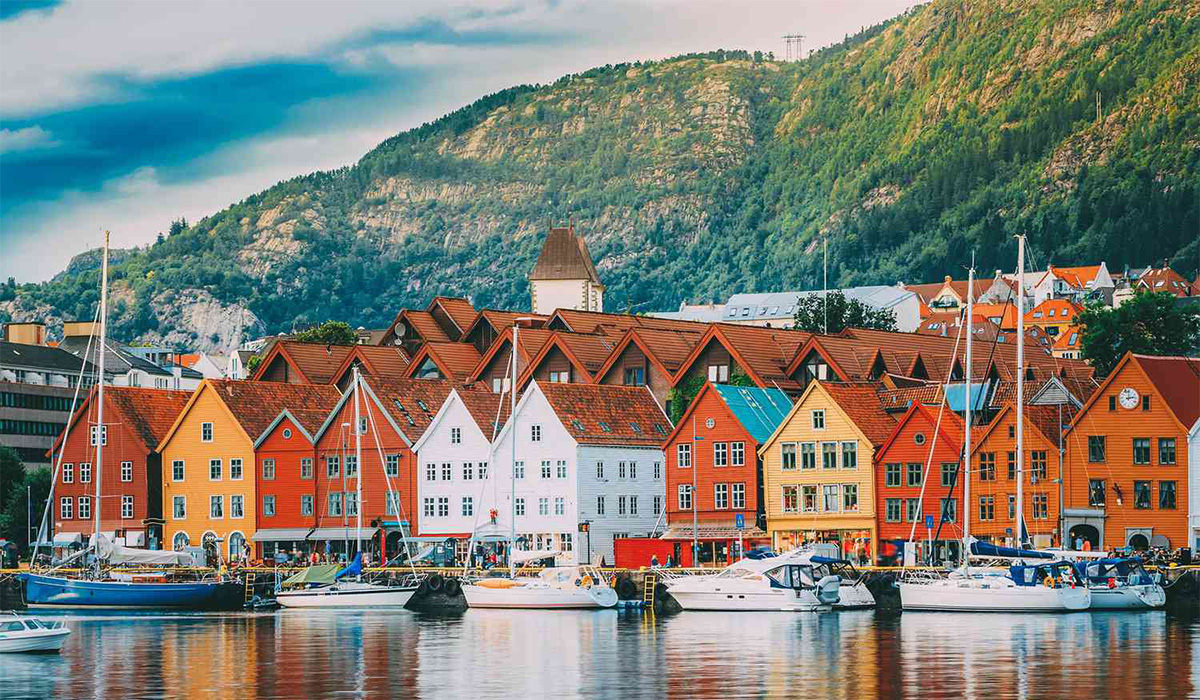
Bryggen historic waterfront.
Fløibanen / Mount Floyen for city and fjord-area views.
Fish Market and seafood-focused dining.
Museums and rainy-day cultural stops.
Waterfront walking and harbor atmosphere.
Fjord Strategy
For a first fjord trip, combine Bergen with one major fjord region rather than trying to see multiple
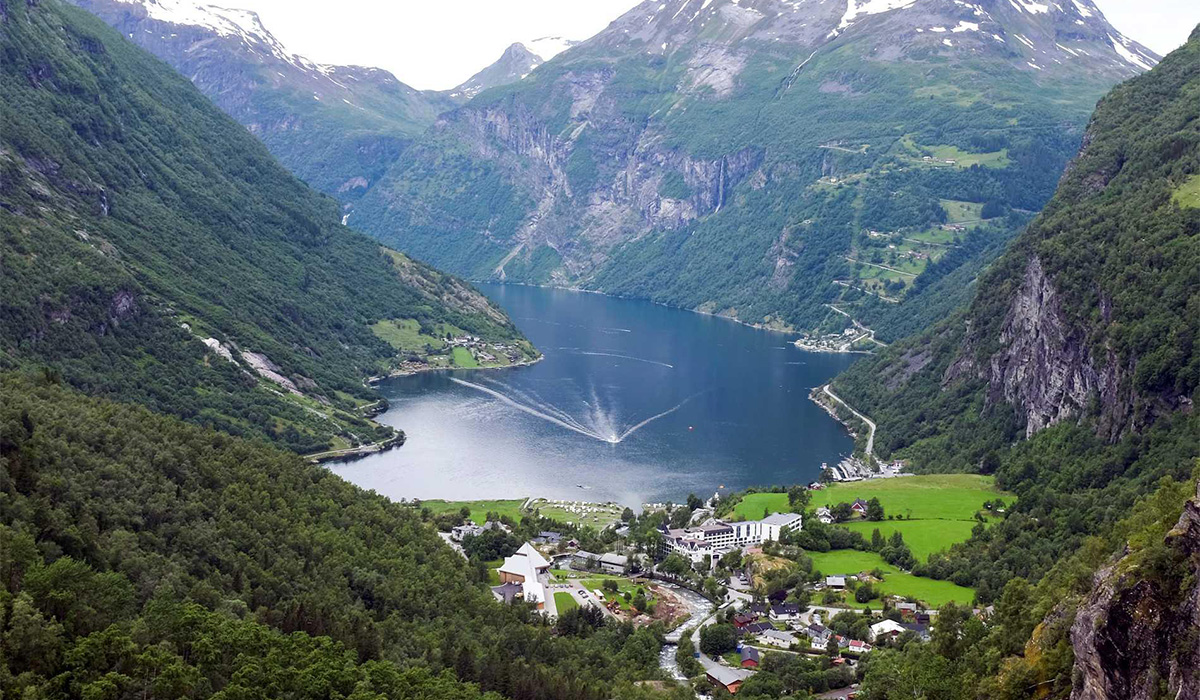
distant fjords in two days. Popular choices include Sognefjord and Hardangerfjord, while Lysefjord is
particularly associated with the Stavanger area.
By Car
Driving offers flexibility but requires attention to ferry crossings, tunnel routes, mountain weather and
road conditions. In summer, queues at ferries can occur; arrive early and allow buffer time.
By Public Transport
Fjord trips can be organized using combinations of train, bus and boat. Use Entur to compare current
connections and transfer points. Norway Regional Travel Guide – Oslo, Fjord Norway & Northern Norway – 2026 Edition
Page 12
10 – TROMSO & ARCTIC NORWAY
Tromso is one of Northern Norway’s most popular bases for Arctic experiences. Its compact center and
strong air connections make it practical for a short northern trip.
Winter Experiences
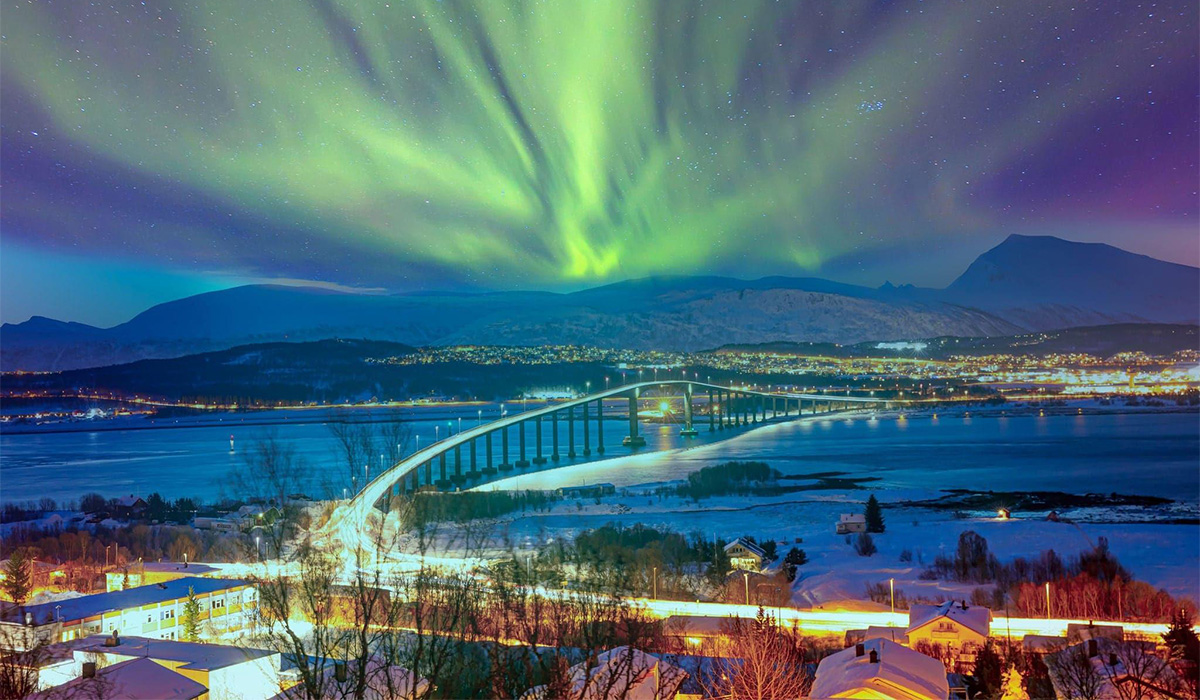
Northern Lights excursions.
Dog-sledding and other guided winter activities.
Snowshoeing and winter hiking with suitable local guidance.
Arctic museums and local culture.
Sauna / wellness experiences.
Coastal boat trips, depending on season and weather.
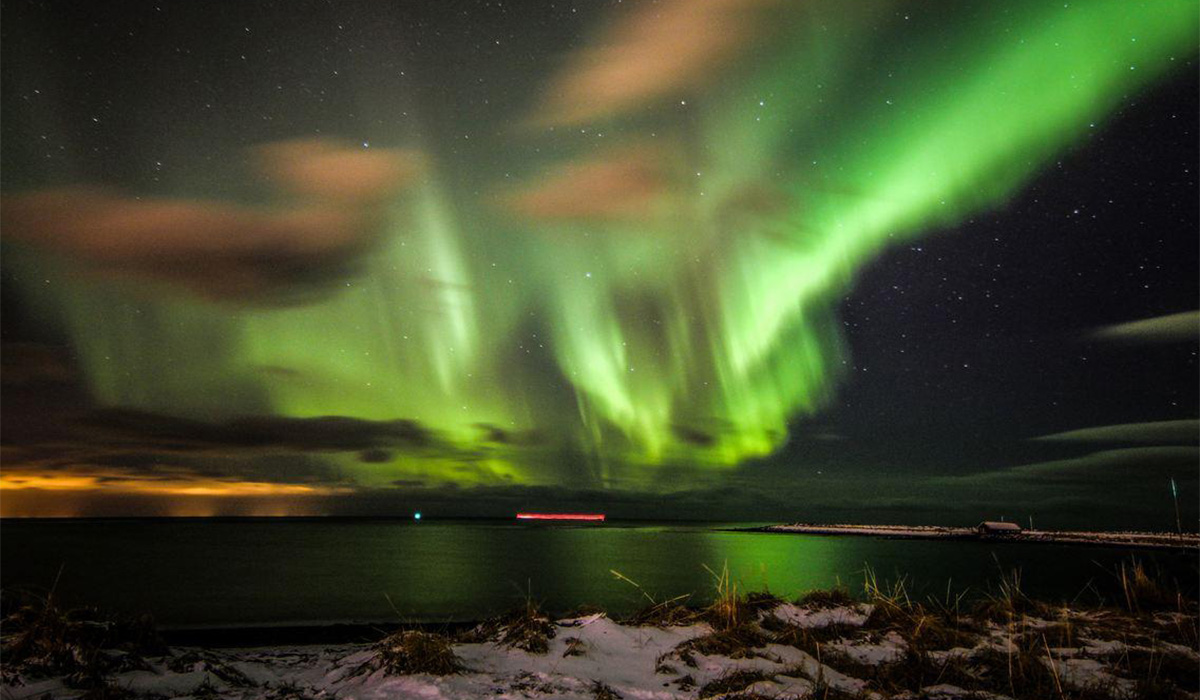
Aurora Planning
Never sell a Northern Lights trip as guaranteed. Aurora visibility depends on darkness, cloud cover, solar
activity and local conditions. Give yourself multiple nights when the Aurora is a main goal and choose
flexible operators when possible.
Summer / Midnight Sun
In the brighter season, Tromso shifts from a winter base to a hiking, boating and road-trip hub. Long
daylight hours make it easier to fit several outdoor activities into a day, but weather still changes
quickly
No account yet?
Create an Account