$24.99
Product type: One Time Purchase
Access period: permanently valid
Duration: 7-Day Customer Support: Provides 7-day customer/technical support after purchase, but does not necessarily mean a refund.
Delivery method: KYC/KYB/Digital Download/Online Access
Format: PDF
01 – AT A GLANCE
Iceland is a compact country with unusually dramatic landscapes: volcanic terrain, glaciers, waterfalls,
black-sand beaches, geothermal areas and long stretches of open road. The official tourism site
emphasizes that every region has a distinct character and that travel can be enjoyed year-round.
Item
Quick Answer
Ideal first trip
7-10 days for a strong overview; 3-5 days for one region
Best for
Road trips, waterfalls, geothermal pools, glaciers, photography, hiking,
Northern Lights
Summer
June-August: long daylight and broadest access to many outdoor routes
Winter
October-April: darker skies, winter atmosphere and Aurora opportunities;
conditions vary
Main international airport
Keflavik International Airport (KEF)
Main base
Reykjavik
Main transport
Rental car, coach/bus, domestic flights and seasonal ferries
Currency
Icelandic krona (ISK)
Emergency number
112
Key planning rule
Weather and road conditions can change quickly; check them every day
on a self-drive trip
The official Visit Iceland portal provides current guidance on getting around, accommodations, scenic
routes, safe travel, road conditions and the seven regional destinations.Iceland Regional Travel Guide – Reykjavik, South Coast & Beyond – 2026 Edition
Page 4
02 – WHEN TO VISIT
Iceland is a year-round destination, but the best season depends strongly on what you want to do.
Season
What to Expect
Best For
Winter
Shorter daylight, snow in many areas, icy roads
possible, darker skies
Northern Lights, hot pools, winter
atmosphere, photography
Spring
Rapidly changing conditions, longer days, some
mountain routes still inaccessible
Reykjavik, waterfalls, lower-season
travel
Summer
Very long daylight, midnight-sun conditions in
the north, easiest road access
Ring Road, hiking, waterfalls,
highland access where open
Autumn
Colorful landscapes, cooler air, darker nights
returning
Aurora opportunities, photography,
slower travel
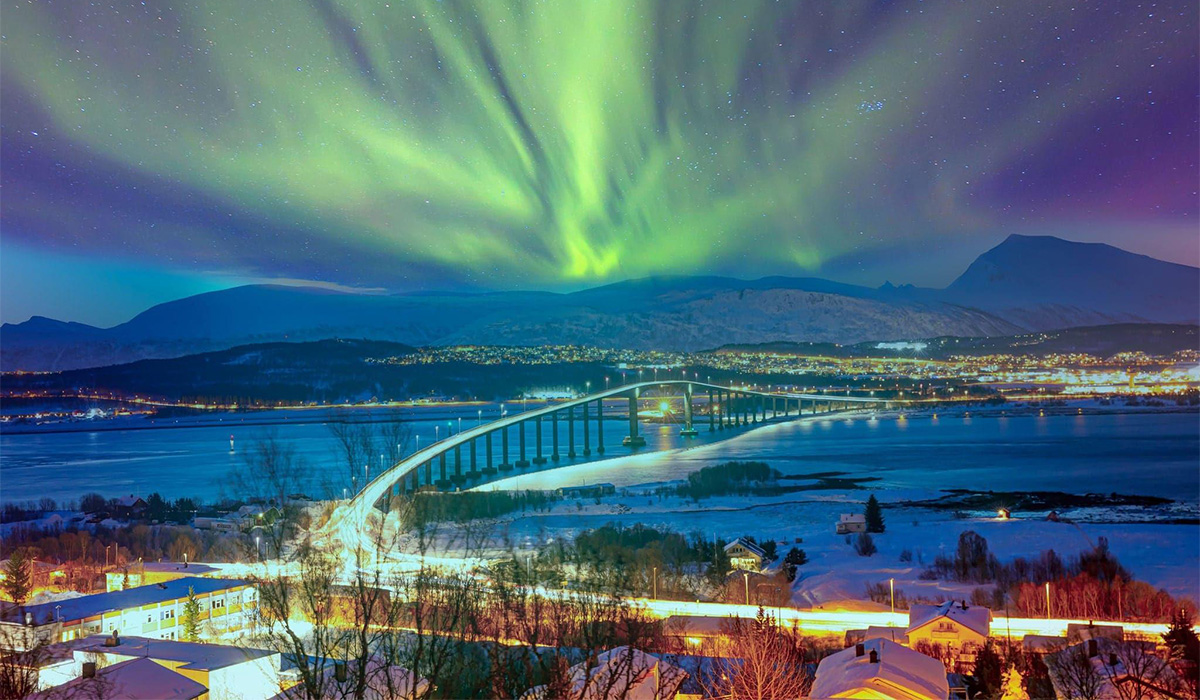
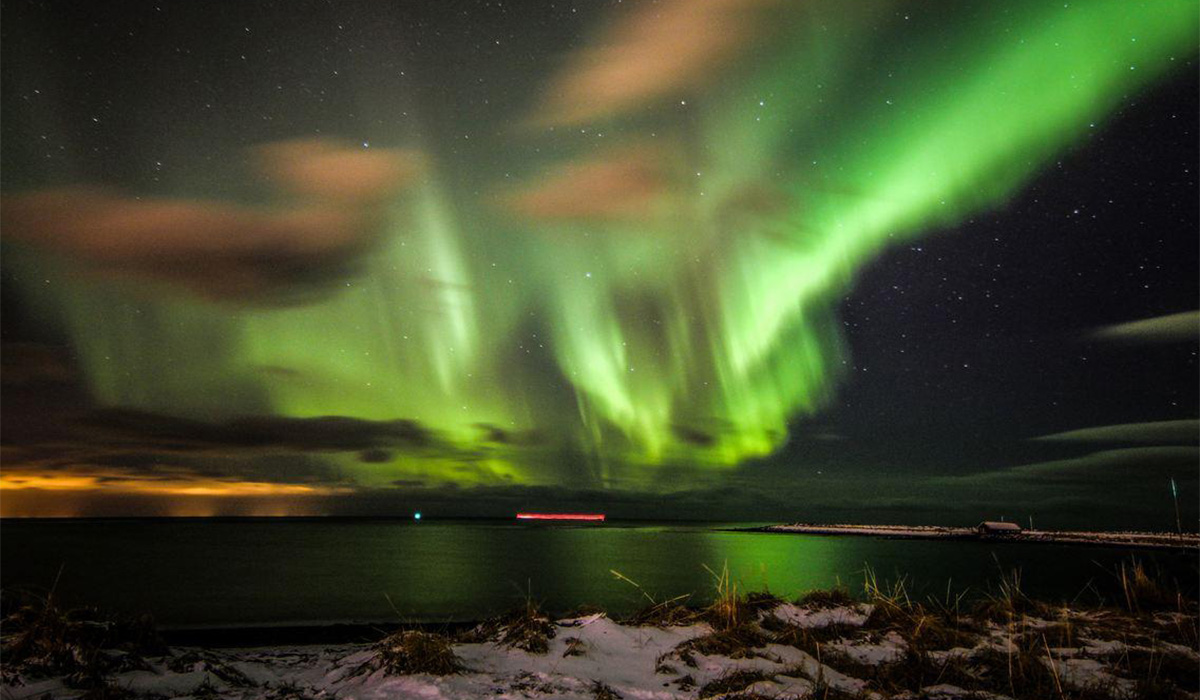
Northern Lights: the official tourism guidance states the Aurora season runs from late August until late
April, and seeing it requires sufficient darkness and clear or partly clear skies. Sightings are never
guaranteed.
Best-by-traveler
Classic first Iceland trip: June-September for the easiest driving and longest days.
Northern Lights: late August-April, with multiple nights increasing your opportunities.
Budget-conscious trip: shoulder seasons can be attractive, but always confirm weather and road
access.
Hiking and highland travel: summer, after checking route openings and conditions.Iceland Regional Travel Guide – Reykjavik, South Coast & Beyond – 2026 Edition
Page 5
03 – GETTING TO ICELAND
By Air
Keflavik International Airport is Iceland’s main international gateway. Most international visitors pass
through Keflavik before continuing to Reykjavik or another region.
Airport to Reykjavik
Airport coaches, rental cars and transfers connect Keflavik with Reykjavik. If arriving late, confirm your
accommodation’s check-in arrangements before choosing a bus or rental-car schedule.
Domestic Flights
Domestic air links can be useful for reaching parts of North and East Iceland when a self-drive itinerary
would take too long. Compare the time saved with the additional airport transfer and baggage
logistics.
Ferries
Seasonal and regional ferry routes can connect island destinations and parts of West Iceland. For
example, the official tourism portal lists ferry connections around the West and public-transport
information including several named ferry operators.
Arrival Strategy
For a first trip, use Reykjavik as your first or final base.
If landing late, consider sleeping in the Keflavik / Reykjanes area before starting a long drive.
If renting a car, take a short rest before beginning a long self-drive itinerary.
Check current entry requirements for your nationality before booking.Iceland Regional Travel Guide – Reykjavik, South Coast & Beyond – 2026 Edition
Page 6
04 – GETTING AROUND
Iceland is best explored by a combination of rental car, buses / coaches and selected domestic flights.
Public transport exists, but remote sightseeing is much easier by car.
Mode
Best Use
Practical Tip
Rental car
Ring Road, South Coast,
Snaefellsnes, East Iceland and
many nature stops
Check road conditions daily; wind can be a serious
driving hazard.
Campervan
Long road trips and flexible
overnight travel
Know camping rules and weather limitations before
relying on it.
Bus / Coach
Airport transfers, tours and
selected intercity links
Useful if you prefer not to drive.
Domestic flight
Long regional transfers
Can save substantial time, but adds airport logistics.
Ferry
Islands and selected coastal
connections
Verify seasonal schedules and weather disruptions.
Walking / cycling
Reykjavik and short local
routes
Excellent locally, but not a substitute for transport
between remote attractions.
Road and weather are the core Iceland planning issue. The official tourism site directs travelers to the
Icelandic Road and Coastal Administration for road conditions and to SafeTravel for travel-safety
guidance.
Golden rule: if conditions deteriorate, change the plan. Do not treat an itinerary as more important
than the road, wind or weather.Iceland Regional Travel Guide – Reykjavik, South Coast & Beyond – 2026 Edition
Page 7
05 – WHERE TO STAY
Base
Best For
Advantages
Watch Out For
Reykjavik
First-time visitors and
city days
Food, culture, tours, nightlife, easy
airport connections
Accommodation
can be expensive
Selfoss /
Hveragerdi
Southwest road-trip
base
Good access to Golden Circle and South
Coast start
Less atmospheric
than Reykjavik
Vik
South Coast scenery
Convenient for waterfalls, black-sand
beaches and glacier-area drives
Small inventory;
book early
Hofn
Southeast Iceland
Useful for Jokulsarlon / Vatnajokull area
Long transfer if
used as a day-trip
base from
Reykjavik
Borgarnes /
Stykkisholmur
West Iceland /
Snaefellsnes
Good for slower west-coast exploration
Some services are
seasonal
Akureyri
North Iceland
Strong northern base for day trips and
local activities
Not a perfect base
for every eastern
route
Egilsstadir
East Iceland
Useful for Eastfjords and inland routes
Large driving
distances remain
Isafjordur
Westfjords
Base for remote northwest travel
Roads and
distances require
patience
Official Visit Iceland notes that accommodation in Iceland comes in many forms, so travelers can
choose hotels, guesthouses, cottages, farm stays, hostels and other options depending on the route.Iceland Regional Travel Guide – Reykjavik, South Coast & Beyond – 2026 Edition
Page 8
06 – REGIONAL STRATEGY
Travel Goal
Best Region / Route
Suggested Length
First Iceland trip
Reykjavik + Golden Circle + South Coast
5-8 days
Classic Ring Road
Reykjavik + full Ring Road circuit
10-14 days
Fjords + villages
Westfjords + West Iceland
5-8 days
Northern landscapes
Akureyri + North Iceland
3-5 days
Quiet road trip
Eastfjords + North
4-7 days
Aurora-focused trip
Reykjavik + Northern / rural bases
4-7 nights
Short break
Reykjavik + Reykjanes + Golden Circle
3-4 days
The official tourism site lists the Ring Road as a major scenic route and highlights the South, West, North,
East, Westfjords, Reykjanes and Reykjavik as distinct planning regions.
Trip-design principle
Iceland rewards fewer bases and more flexibility. Instead of sleeping in a different town every night,
choose 2-4 bases and give yourself room for weather delays, photography stops and slow travel.Iceland Regional Travel Guide – Reykjavik, South Coast & Beyond – 2026 Edition
Page 9
07 – FOOD & ICELANDIC CAFE CULTURE
Icelandic food is closely connected to the sea, dairy, lamb, rye bread, potatoes and seasonal
ingredients. The official tourism guide also highlights a modern food scene that reworks traditional
flavors.
Foods to Try
Icelandic lamb dishes.
Fresh or cured fish, including salmon and cod.
Lobster / langoustine in coastal towns.
Skyr – a thick cultured dairy product commonly eaten with fruit or toppings.
Rye bread and rye-based baked goods.
Icelandic hot dogs as a casual street-food experience.
Waffles and cakes at local cafés.
Local soups, especially fish and lamb versions on cold days.
Cafe Strategy
Cafés are useful in Iceland for breakfast, weather breaks and long driving days. Build them into your
itinerary rather than trying to maximize sightseeing every hour.
Format
Best Use
Bakery / cafe
Breakfast, coffee, pastries and weather breaks.
Seafood restaurant
Coastal towns and Reykjavik.
Farm / local restaurant
Regional ingredients and slower dining.
Grocery store
Excellent for reducing road-trip meal costs.
Pool cafe
Combine local swimming culture with a simple meal.
Dining Tip
For popular Reykjavik restaurants, reservations are sensible. In smaller towns, opening hours can be
more limited than visitors expect, especially outside the main summer season.Iceland Regional Travel Guide – Reykjavik, South Coast & Beyond – 2026 Edition
Page 10
08 – REYKJAVIK & REYKJANES
Reykjavik is the natural starting point for many Iceland trips. The capital combines cafés, museums,
colorful streets, geothermal bathing and a lively dining scene, while the Reykjanes Peninsula extends
the trip into lava fields and geothermal landscapes.
Reykjavik Essentials
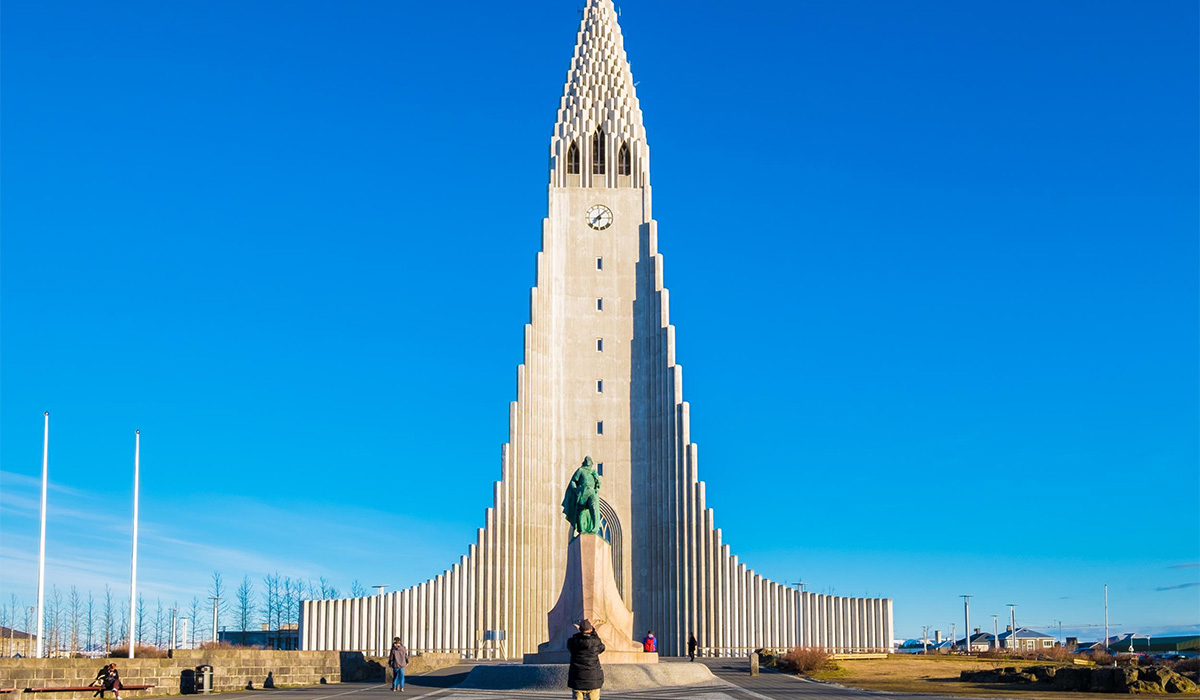
Hallgrimskirkja and surrounding central streets.
Harpa Concert Hall and the waterfront.
Sun Voyager sculpture and harbor walks.
National Museum / culture-focused museums.
Old Harbor and local food.
Geothermal swimming pools.
Cafe and bakery hopping.
Reykjanes Peninsula
Reykjanes is a destination in its own right, not merely an airport transfer zone. Official tourism
information highlights Keflavik Airport, the Blue Lagoon area, volcanic landscapes, lighthouses and the
peninsula’s geological character.
Volcanic Activity
Iceland’s volcanic systems are active. Do not approach an eruption site or closed area based on
social-media directions. Follow current authorities and SafeTravel guidance before visiting volcanic areas.Iceland Regional Travel Guide – Reykjavik, South Coast & Beyond – 2026 Edition
Page 11
09 – THE GOLDEN CIRCLE & SOUTH COAST
The South is where Iceland’s geological contrasts are especially visible: geothermal areas, major
waterfalls, black-sand beaches, glaciers and the Vatnajokull region. The Golden Circle is the country’s
best-known short scenic route.
Golden Circle
Thingvellir National Park.
Geysir geothermal area.
Gullfoss waterfall.
Kerid volcanic crater as an optional addition.
South Coast
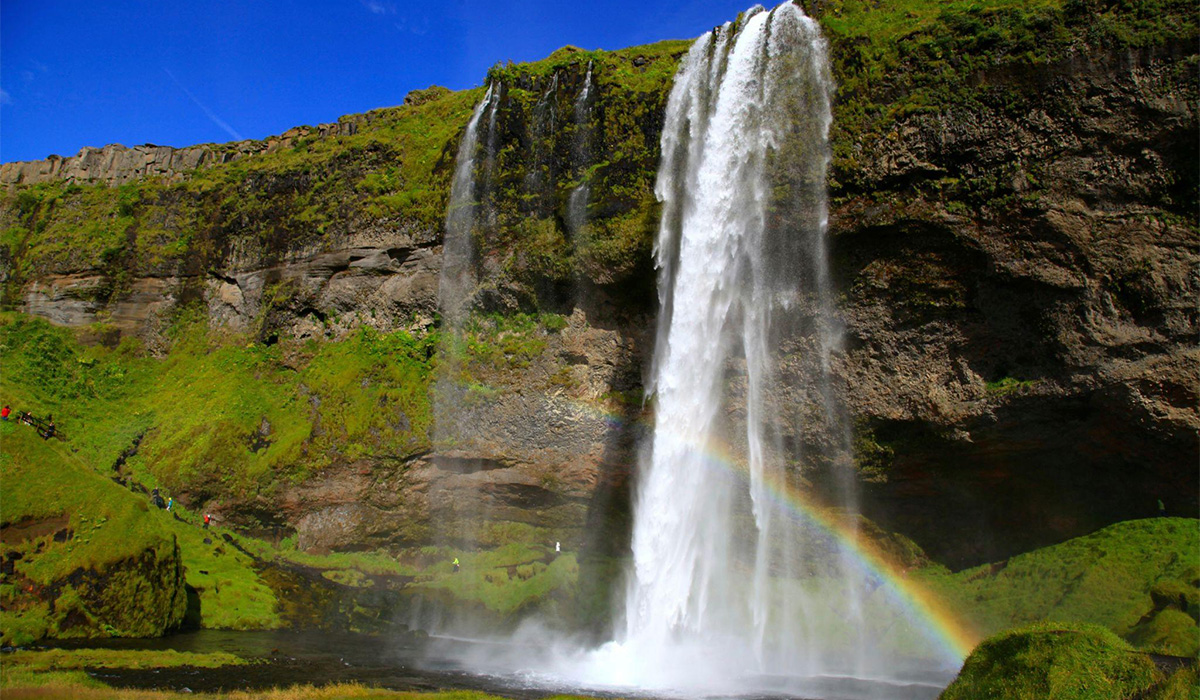
Seljalandsfoss.
Skogafoss.
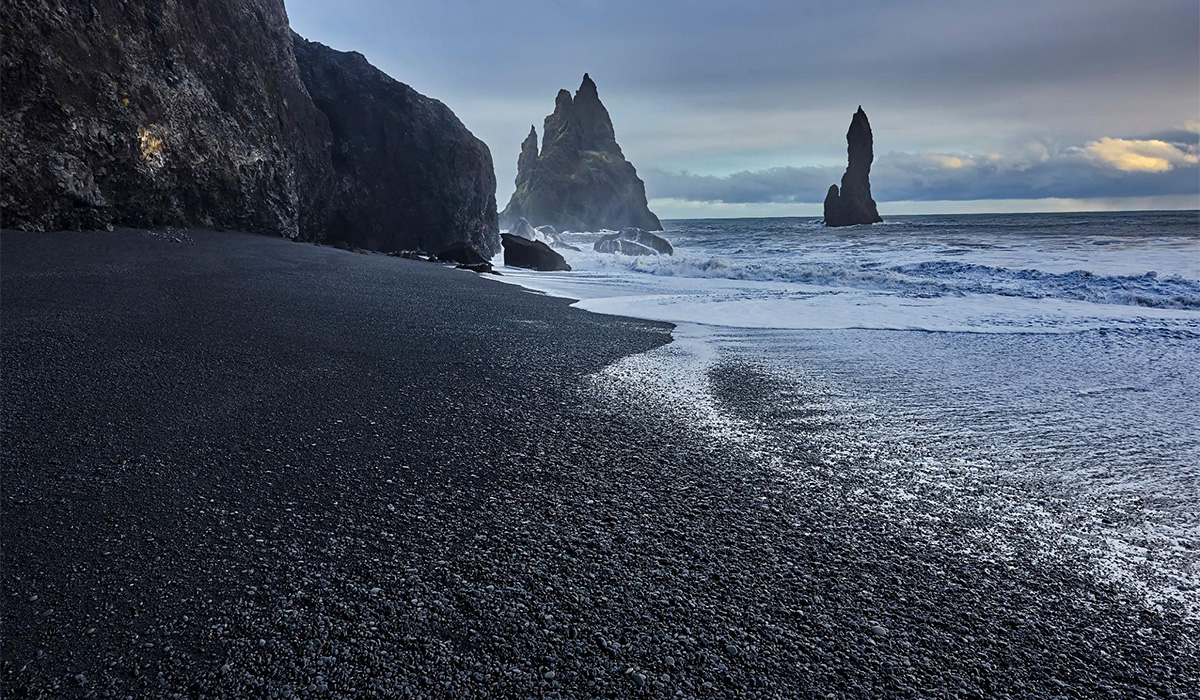
Reynisfjara black-sand beach – respect wave warnings and stay far from the water.
Vik and the surrounding coastline.
Skaftafell area and Vatnajokull National Park.
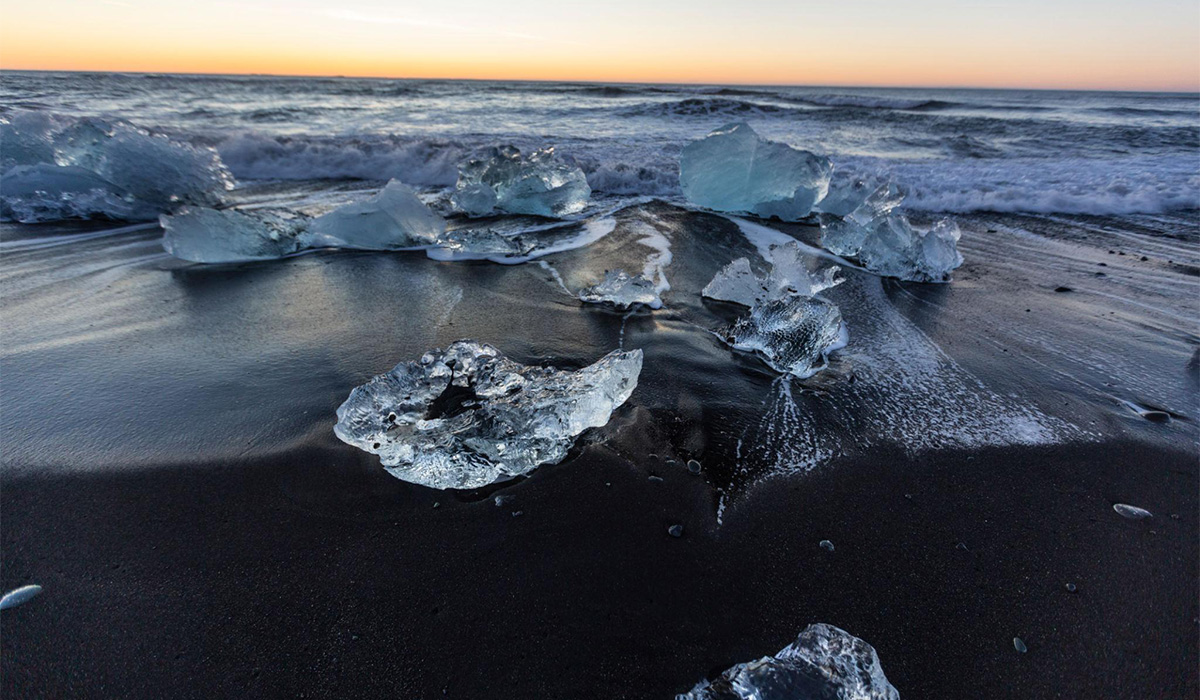
Jokulsarlon glacier lagoon and Diamond Beach.
Driving Strategy
The South Coast can look easy on a map because the attractions align along the main road, but
weather, wind, parking and visitor volume can turn a short day into a long one. Start early, keep a
flexible return time and never linger near dangerous surf.
Overnight Strategy
For a 5-8 day itinerary, consider sleeping near Selfoss / Hveragerdi, Vik and Hofn rather than returning
to Reykjavik every night.Iceland Regional Travel Guide – Reykjavik, South Coast & Beyond – 2026 Edition
Page 12
10 – WEST & SNAEFELLSNES
West Iceland is ideal for travelers who want a slower road trip. The official tourism portal highlights the
Snaefellsnes Peninsula, the Silver Circle and the historic / saga landscapes around Borgarnes and Dalir.
Snaefellsnes Highlights
Kirkjufell and surrounding viewpoints.
Arnarstapi coastal walk.
Djúpalónssandur black-pebble beach.
Snæfellsjökull National Park area.
Stykkisholmur harbor and town.
Silver Circle
The Silver Circle offers geothermal experiences, waterfalls and scenic west-coast landscapes. It is a
strong alternative to the busier Golden Circle for repeat Iceland visitors.
Best For
Photography, couples, slow road trips, coastal scenery, small villages and travelers who have already
seen the standard South Coast.
Driving Note
Do not judge route difficulty by distance alone. Some west-coast and peninsula roads are narrow and
conditions can change quickly
No account yet?
Create an Account