$49.99
Product type: One Time Purchase
Access period: permanently valid
Duration: 7-Day Customer Support: Provides 7-day customer/technical support after purchase, but does not necessarily mean a refund.
Delivery method: KYC/KYB/Digital Download/Online Access
Format: PDF
Spain is best understood as a collection of travel regions rather than one single itinerary. The official
tourism portal highlights major destinations such as Madrid, Barcelona, Valencia, Seville, Malaga,
Bilbao, Santiago de Compostela, the Balearic Islands and the Canary Islands, while also emphasizing
food and wine, beaches, nature, culture and routes as core travel themes.
For a first trip, avoid trying to cover the entire country by car. High-speed rail makes
Madrid-Barcelona-Valencia-Andalusia combinations efficient, while northern Spain, island trips and
mountain areas reward slower, region-focused travel.
Essential facts
Item
Practical note
Capital
Madrid
Currency
Euro (EUR)
Schengen
Spain is a Schengen member
Language
Spanish; regional languages are widely used in some autonomous communities
Emergency
112 for urgent emergencies
Best trip length
7-14 days for a multi-region first trip; 3-5 days for a focused city/region
Travel style
Excellent for food, architecture, beaches, rail journeys, road trips and walking
itineraries
2026 entry note
Spain is an EU and Schengen country and uses the euro. ETIAS is scheduled to start operations in the
last quarter of 2026; the EU currently states that it is not yet operational and that no applications are
being collected. Visa-exempt travelers should check the official ETIAS site close to departure for the
confirmed launch date and requirements.
Current safety note: the U.S. Department of State currently rates Spain Level 2 – Exercise Increased
Caution, citing terrorism and unrest, and specifically advises reconsidering travel to Ceuta. Travelers
should monitor local authorities and avoid demonstrations.Spain Regional Travel Guide 2026
Page 4
Madrid works as both a destination and a transport hub. The strongest first-time combination is Madrid
itself plus one or two historic day trips.
Where to focus
Madrid: Prado Museum, Retiro Park, Royal Palace, Plaza Mayor, Mercado de San Miguel area, Gran Via
and the literary quarter. Toledo: medieval streets, cathedral and mixed Christian, Jewish and Islamic
heritage. Segovia: Roman aqueduct, old town and Alcazar. Salamanca: sandstone architecture and
university atmosphere.
Eat & drink
Try tortilla de patatas, jamon iberico, croquetas, cocido madrileno and market-style tapas. For a more
modern dining experience, book ahead for popular restaurants.
Where to stay
Central Madrid is best for a short city break. Stay near Centro, Retiro, Chueca, Malasana or Atocha
depending on your priorities.
Transportation
Madrid has excellent metro and commuter rail. High-speed rail connects it with Barcelona, Valencia,
Seville, Cordoba, Malaga and other major cities. Toledo and Segovia are easy day trips by rail.
Things to do
Museum hopping, long lunch breaks, evening walks, food markets and sunset viewpoints. For a slower
trip, add El Escorial or the Sierra de Guadarrama.
Best for: first-time visitors, museums, architecture, nightlife and efficient rail-based
trips.
Local tip
Reserve major museums or special exhibitions in advance. Madrid dining hours can feel late to visitors
used to northern European schedules.Spain Regional Travel Guide 2026
Page 5
Barcelona combines Mediterranean energy with distinctive Catalan architecture, food culture and easy
access to the coast and inland towns.
Where to focus
Barcelona: Sagrada Familia, Park Guell, Gothic Quarter, El Born, Casa Batllo and Montjuic. Coast: Sitges
and the Costa Brava for a beach-and-village extension. Inland: Girona, Figueres and Montserrat for day
trips or overnight stays.
Eat & drink
Sample tapas, pa amb tomaquet, escalivada, crema catalana and seafood. Markets are useful for
casual lunches; reserve popular restaurants for dinner.
Where to stay
Eixample is convenient for first-time visitors. Gracia offers a neighborhood feel; Gothic Quarter and El
Born are central but can be lively at night.
Transportation
Barcelona metro and buses cover the core city. Regional trains serve coastal and inland destinations;
rental cars become more useful outside the city.
Things to do
Gaudi architecture, neighborhood walks, beach afternoons, museum visits and Montserrat hiking. Build
in unscheduled time: Barcelona rewards wandering.
Best for: architecture, city breaks, Mediterranean culture, food and mixed city/coast
trips.
Local tip
Keep phones and wallets secure in crowded tourist zones and transit. Avoid leaving valuables visible in
parked cars.Spain Regional Travel Guide 2026
Page 6
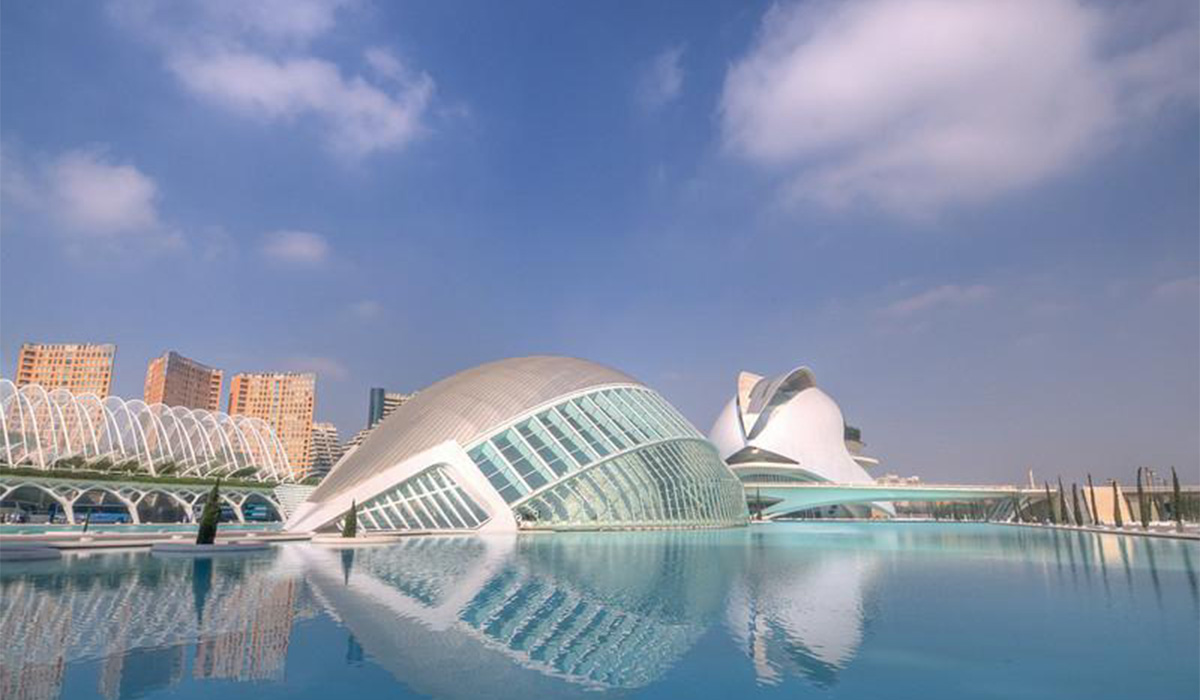
Valencia is a strong alternative to Barcelona for travelers who want a large historic city, a modern arts
complex and easy beach access.
Where to focus
Valencia: historic center, Central Market, Turia Gardens and City of Arts and Sciences. Albufera:
wetlands and rice landscapes south of the city. Other coast options: Alicante, Castellon and smaller
Mediterranean towns.
Eat & drink
Paella is the signature dish; also try horchata with fartons, all-i-pebre in traditional settings and local
seafood. For paella, lunch is usually a better time than late dinner.
Where to stay
Stay in Ciutat Vella for heritage, Ruzafa for restaurants and nightlife, or near the beach for a more
relaxed trip.
Transportation
Valencia has a useful metro and tram network plus cycling infrastructure. Trains connect the city to
Madrid and Barcelona; buses cover regional destinations.
Things to do
Cycle or walk the Turia Gardens, visit the market, explore the old town, relax on the beach and take an
Albufera boat trip around sunset.
Best for: Mediterranean food, beaches, cycling, architecture and a balanced
city/coast holiday.
Local tip
Do not assume every restaurant serving paella is equally traditional. Look for places where paella is a
planned meal rather than a quick tourist lunch.Spain Regional Travel Guide 2026
Page 7
Andalusia offers one of Spain’s richest combinations of Islamic, Christian and Jewish heritage, plus
strong food culture and Mediterranean landscapes.
Where to focus
Seville: Alcazar, cathedral, Giralda and Santa Cruz. Cordoba: Mezquita-Catedral and old quarter.
Granada: Alhambra, Albaicin and Sacromonte. Malaga: museums, old town and Costa del Sol access.
Add Ronda, Cadiz or white villages for a slower road trip.
Eat & drink
Try salmorejo, gazpacho, jamon, fried fish, rabo de toro, montaditos and local sherry around Jerez and
Cadiz. Tapas traditions vary by city.
Where to stay
Historic-center hotels are ideal for short stays, but summer heat can make quieter residential districts
more comfortable. In Granada, choose accommodation with easy access to the main sights rather than
steep uphill streets unless you want the atmosphere.
Transportation
Fast trains connect Madrid with Seville, Cordoba and Malaga. Regional rail is useful along the main
corridors; a rental car is best for white villages, Ronda and less-connected countryside.
Things to do
Book the Alhambra well in advance. Walk at cooler hours in Seville and Cordoba in summer. Enjoy
flamenco in a reputable venue and allow long evening meal windows.
Best for: historic architecture, food, flamenco, warm-weather breaks and road trips.
Local tip
Heat is the main seasonal planning issue. In high summer, shift sightseeing toward mornings and
evenings and keep midday flexible.Spain Regional Travel Guide 2026
Page 8
Northern Spain is greener, cooler and more food-focused than much of the south. It is ideal for
travelers who like coastal walks, villages and regional cuisine.
Where to focus
Bilbao: Guggenheim Museum, Casco Viejo and riverside walks. San Sebastian: La Concha, old town and
pintxos. Galicia: Santiago de Compostela, A Coruna and Atlantic coast. Asturias/Cantabria: dramatic
coast, green mountains and smaller towns.
Eat & drink
Pintxos in the Basque Country, seafood in Galicia, fabada in Asturias and local cheeses and cider in
northern regions. Wine travelers can add La Rioja for vineyards.
Where to stay
Bilbao and San Sebastian are easiest without a car. For rural Galicia, Asturias or Cantabria, small hotels
and guesthouses near villages are often more memorable than city chains.
Transportation
Rail works between major cities; buses can be important on the north coast. A car is useful for rural
coastlines, hiking areas and village-hopping.
Things to do
Pintxos crawl, coastal hikes, surfing, winery visits, mountain drives and Camino de Santiago stages.
Best for: food, scenery, hiking, coastal roads, wine and a cooler alternative to the
Mediterranean.
Local tip
Weather changes quickly on the Atlantic coast. Pack a light waterproof layer even in warmer months.Spain Regional Travel Guide 2026
Page 9
Historic inland Spain is ideal for travelers seeking UNESCO-style heritage, medieval towns, Roman
remains and wine without the busiest coastal crowds.
Where to focus
Salamanca: university city and Plaza Mayor. Segovia: aqueduct and Alcazar. Burgos: cathedral and
Camino links. La Rioja: wineries around Haro and Logrono. Avila: walls and medieval core.
Eat & drink
Castilian roast meats, regional cheeses, morcilla, hearty stews and Rioja wines dominate. Winery
tastings usually require advance booking and sometimes transport planning.
Where to stay
Historic-center stays work well for compact cities. For Rioja, base around Logrono or stay at a vineyard
hotel for a slower experience.
Transportation
Rail is strong on major city routes but weaker for wine villages and countryside. A car is the most
practical option for winery circuits.
Things to do
Cathedral visits, wine tastings, medieval walks, cycling routes and scenic drives.
Best for: heritage, wine, castles, road trips and travelers who prefer quieter routes.
Local tip
Treat winery visits as appointments, not drop-in sightseeing. Build at least one non-wine cultural stop
into a Rioja day.Spain Regional Travel Guide 2026
Page 10
The islands are not interchangeable. The Balearics are especially strong for Mediterranean beaches
and villages; the Canaries offer volcanic scenery, hiking and year-round mild-weather options.
Where to focus
Balearics: Mallorca for variety, Menorca for quieter coves, Ibiza for nightlife and Formentera for
beaches. Canaries: Tenerife for mountains and infrastructure, Gran Canaria for varied landscapes,
Lanzarote for volcanic scenery and Fuerteventura for beaches and wind sports.
Eat & drink
Island cuisine emphasizes seafood, local cheeses, sobrasada in the Balearics and Canarian dishes such
as papas arrugadas with mojo. Market visits help balance restaurant meals.
Where to stay
Beach resorts are convenient but can feel isolated. In Mallorca and Tenerife, consider splitting a trip
between a city/town base and a coastal or rural base.
Transportation
Flights link the mainland with islands. Ferries connect some islands and are useful for flexible island
hopping. Rental cars are especially valuable for hiking and scenic drives.
Things to do
Beach days, coastal walks, diving, sailing, mountain hikes, volcanic landscapes and village excursions.
Best for: beaches, hiking, water activities, scenic drives and long stays.
Local tip
Sun exposure and heat remain important even outside peak summer. Hiking routes can have different
conditions from the resort areas, so check local weather and trail information.Spain Regional Travel Guide 2026
Page 11
Spanish food culture changes strongly by region. Avoid treating “Spanish food” as one menu. Seafood
dominates many Atlantic and Mediterranean areas; inland regions favor cured meats, stews and roast
dishes; Basque Country and Catalonia have distinct culinary traditions.
Region
Worth trying
Madrid
Cocido madrileno, tortilla, jamon, croquetas
Catalonia
Pa amb tomaquet, crema catalana, escalivada, seafood
Valencia
Paella Valenciana, fideua, horchata
Andalusia
Salmorejo, gazpacho, fried fish, jamon, tapas
Basque Country
Pintxos, grilled fish, bacalao, local cider
Galicia
Pulpo a la gallega, shellfish, empanada gallega
La Rioja
Rioja wines, lamb, mushrooms and regional cheeses
Canary Islands
Papas arrugadas, mojo, gofio, fresh fish
Ordering rhythm
Lunch is often the main meal and dinner can start later than many visitors expect. Menu del dia can be
good value on weekdays, but exact offerings and schedules vary by region. Tipping is not
automatically expected at the same level as in the United States; rounding up or leaving a modest
amount for good service is generally sufficient.Spain Regional Travel Guide 2026
Page 12
Spain is one of Europe’s easier countries for multi-city travel, but the best transport mode depends on
the region.
Trip type
Best option
Why
Madrid-Barcelona
High-speed rail
Fast, central-to-central and avoids airport time
Madrid-Seville/Cordoba/M
alaga
High-speed rail
Excellent for city-center travel
Barcelona-Valencia
High-speed rail
Convenient and practical for a two-city itinerary
Northern coast
village-hopping
Rental car
More flexible where rail is limited
Andalusia white villages
Rental car
Useful for Ronda and smaller inland towns
Island touring
Rental car + ferry/flight
Maximizes flexibility and access
Within big cities
Metro/bus/walking
Avoids parking stress and congestion
Driving notes
Use official parking areas in cities and confirm low-emission or access restrictions before driving into
historic centers. For mountain and rural roads, keep fuel, water and offline navigation available. When
switching from rail to a rental car, avoid same-day long-distance driving after an international flight.
No account yet?
Create an Account