How to Use This Guide
Malta rewards travelers who slow down. The country is geographically compact, but travel times can stretch
because roads are narrow, popular coastal routes become busy in peak season, and island transfers create
natural breaks in the day. Treat this guide as a planning system rather than a sightseeing checklist: choose
one main base, group destinations geographically, and build in time for swimming, cafés, churches,
viewpoints and unplanned wandering.
Trip Planning at a Glance
Trip length
Best use
3 days
Valletta + Three Cities + Mdina/Rabat + one coast or harbor experience
5 days
Add Gozo or Comino and a second coastal day
7 days
Split time between Malta and Gozo; add temples, villages and a boat day
10 days
Slow island loop with diving, hiking, beaches and regional food
Best for
History, architecture, sea views, diving, short breaks, English-speaking travel
Ideal base style
Valletta for culture; Sliema/Gzira for connectivity; St Julian’s for nightlife; Mellieha for beaches;
Victoria on Gozo for a quieter island stay
Country Facts
- Capital: Valletta
- Languages: Maltese and English
- Currency: Euro (EUR)
- EU member and Schengen member
- Driving: left-hand traffic
- Power: Type G sockets, 230V
- Time: Central European Time / Central European Summer Time
The European Union lists Malta as an EU member since 2004, euro-area member since 2008 and Schengen member since
- Current country figures on the EU page list an area of 316 km2 and a 2025 population figure of 574,250.Malta Complete Regional Travel Guide 2026
Page 3
2026 Entry, Borders and Travel Documents
Malta is part of the Schengen Area. Entry rules depend on your passport, residence status and purpose of
travel, so travelers should verify the latest conditions with official Maltese and EU sources before departure.
A Schengen short stay is generally based on the familiar 90-days-in-180-days framework for travelers who
require or qualify for visa-free short stays, but nationality-specific rules always control.
EES and ETIAS
The EU Entry/Exit System (EES) is now fully operational across the Schengen area. ETIAS is not yet in
operation at the time of this edition and the EU states that it is planned to start in the last quarter of 2026.
Travelers who will be subject to ETIAS should use only the official EU application channel and check the
launch date before travel.
Useful Pre-Trip Checks
- Passport validity and visa/visa-waiver status for your nationality
- Travel insurance covering medical care and activities you actually plan to do
- Any ferry/boat booking rules for vehicles or luggage
- Accommodation address for arrival forms when applicable
- Whether your planned diving, hiking or boat operator has weather-dependent cancellation rules
Source note: EU country and ETIAS status verified against official European Union pages in September 2026.Malta Complete Regional Travel Guide 2026
Page 4
When to Go
Period
What to expect
Best for
Watch-outs
Mar-Apr
Mild, greener landscapes, fewer
crowds
Walking, culture, day trips
Water may feel cool
May-Jun
Warm and sunny
Best overall balance
Growing demand
Jul-Aug
Very hot, busy beaches and
nightlife
Swimming, diving, festivals
Midday heat and peak crowds
Sep-Oct
Warm sea, softer light
Beach + culture mix
Occasional late-summer
weather changes
Nov-Feb
Mild compared with northern
Europe
Culture, city breaks, hiking
Rain/wind can disrupt boats;
shorter days
Malta’s official tourism site highlights its long sunshine season, sea activities, diving, food, history and
short-break appeal. Summer is not the only useful season: spring and autumn often make active sightseeing
easier because of more manageable heat.
Heat Management
- Start outdoor sightseeing early.
- Carry water and sun protection even on breezy days.
- Schedule churches, museums and cafés for the hottest part of the afternoon.
- Do not assume sea breeze removes sun or heat risk.
- For long walks on limestone terrain, use shoes with real grip.Malta Complete Regional Travel Guide 2026
Page 5
Where to Stay: Malta Base Guide
Area
Best for
Trade-offs
Valletta
History, architecture, evening atmosphere,
ferry access
Limited beaches; compact hotel inventory
Sliema / Gzira
Transport, restaurants, ferries, longer stays
More urban and modern
St Julian’s
Nightlife, dining, younger scene
Noise and busier evenings
Mellieha
Beaches, north coast, Gozo access
Less convenient for southern day trips
Rabat / Mdina
Historic atmosphere, slower pace
Quieter nightlife and transport
Marsaxlokk
Fishing village feel, south coast access
Smaller evening scene
Victoria, Gozo
Central Gozo base, history, local feel
Requires island transfer to Malta
How to Choose
For a first visit, Valletta is the most efficient cultural base. Sliema/Gzira works well for travelers who want
many restaurants and easy movement by bus and ferry. Mellieha is the practical choice for a beach-heavy
trip. On Gozo, Victoria is the logical hub because many island bus routes radiate from it.
A common mistake is changing hotels every night. Malta is small enough that two bases usually work better:
one on the main island and one on Gozo for trips longer than five days.Malta Complete Regional Travel Guide 2026
Page 6
Getting Around
Malta Public Transport operates the Tallinja bus network, with both day and night routes. The operator also
runs Valletta ferry services linking Valletta with Sliema and Cospicua. Route frequencies and temporary
diversions change, so check the official journey planner or Tallinja app immediately before travel.
Buses
- Best for budget travel and travelers who do not want to drive on the left.
- Allow extra time during peak hours and at heavily visited stops.
- Use the official planner/app rather than relying on an old blog route map.
- Tap/contactless and ticket products vary; confirm current fares before travel.
Ferries and Sea Connections
The Valletta Ferry currently connects Valletta with Sliema and Cospicua. Gozo is reached by regular sea
connections from Malta; high-speed services and other operators can vary by season and sea conditions. For
a day trip to Gozo, build a flexible return window rather than booking a connection too close to an evening
flight.
Driving
- Traffic keeps left.
- Roundabouts and narrow village streets require attention.
- Parking can be the real constraint, not distance.
- A rental car is useful for remote coves and Gozo, but is not necessary for a first-time Valletta-focused trip.
- For a relaxed city break, buses + ferry + occasional taxi are often simpler.
Current 2026 transport note: Malta Public Transport introduced summer network changes from 13 June 2026, including
increased frequencies on several popular routes. Check live service notices because construction detours can change
routing.Malta Complete Regional Travel Guide 2026
Page 7Malta Complete Regional Travel Guide 2026
Page 8
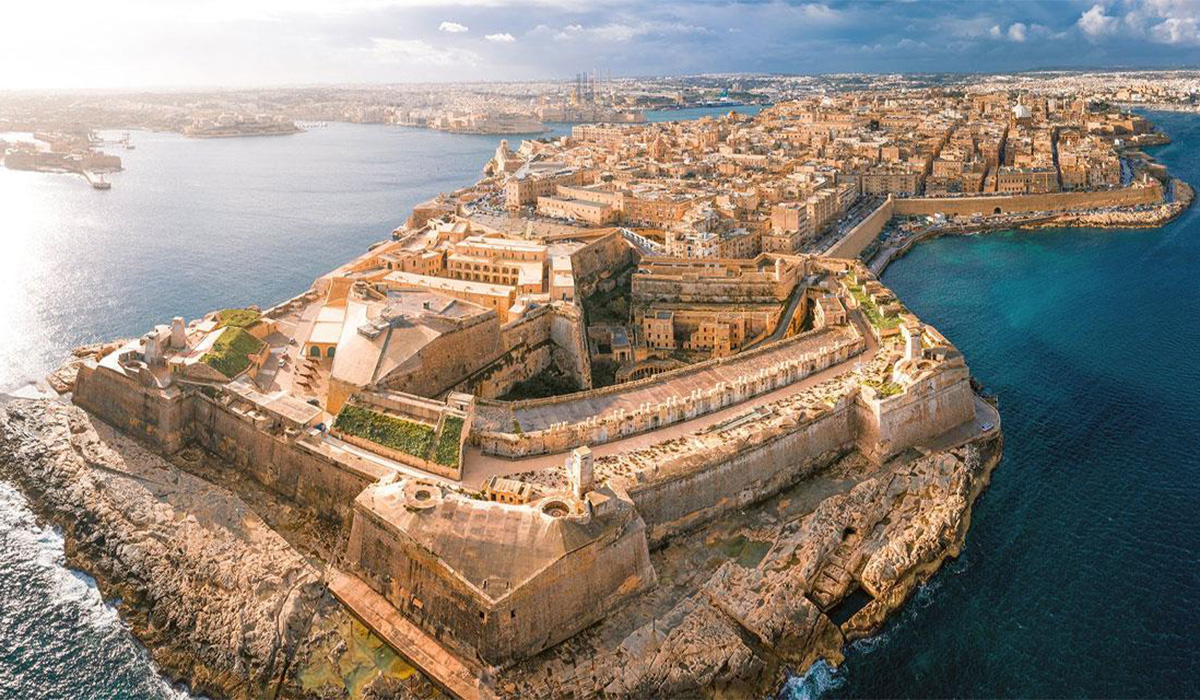
Valletta
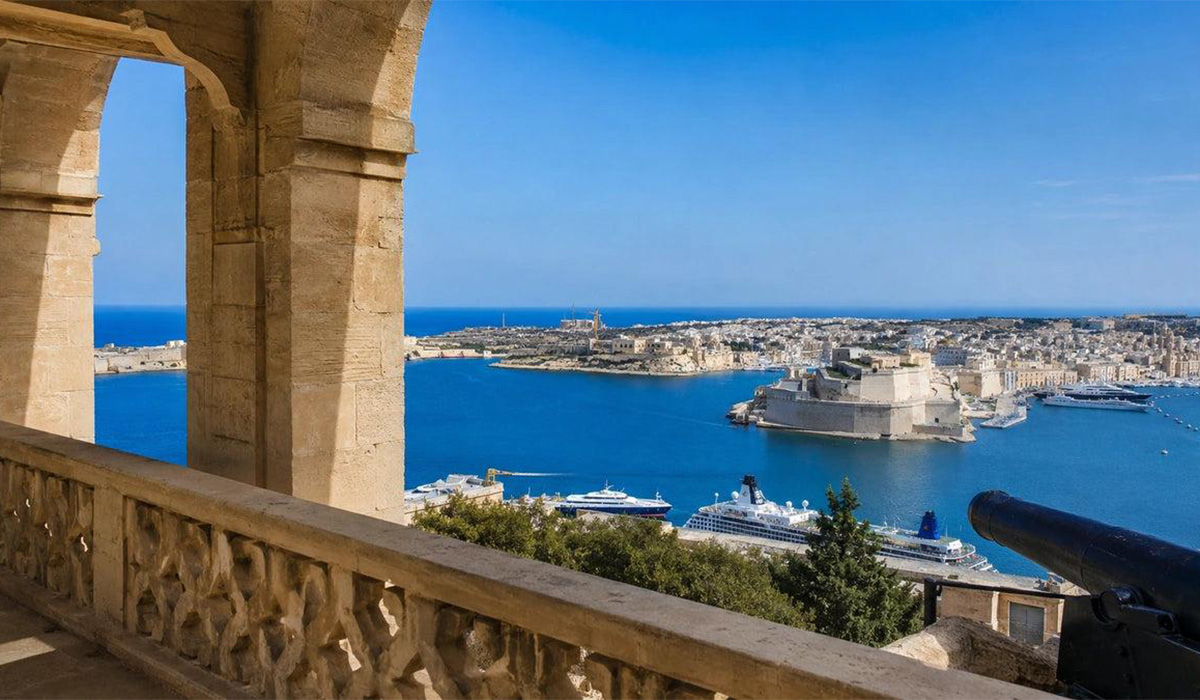
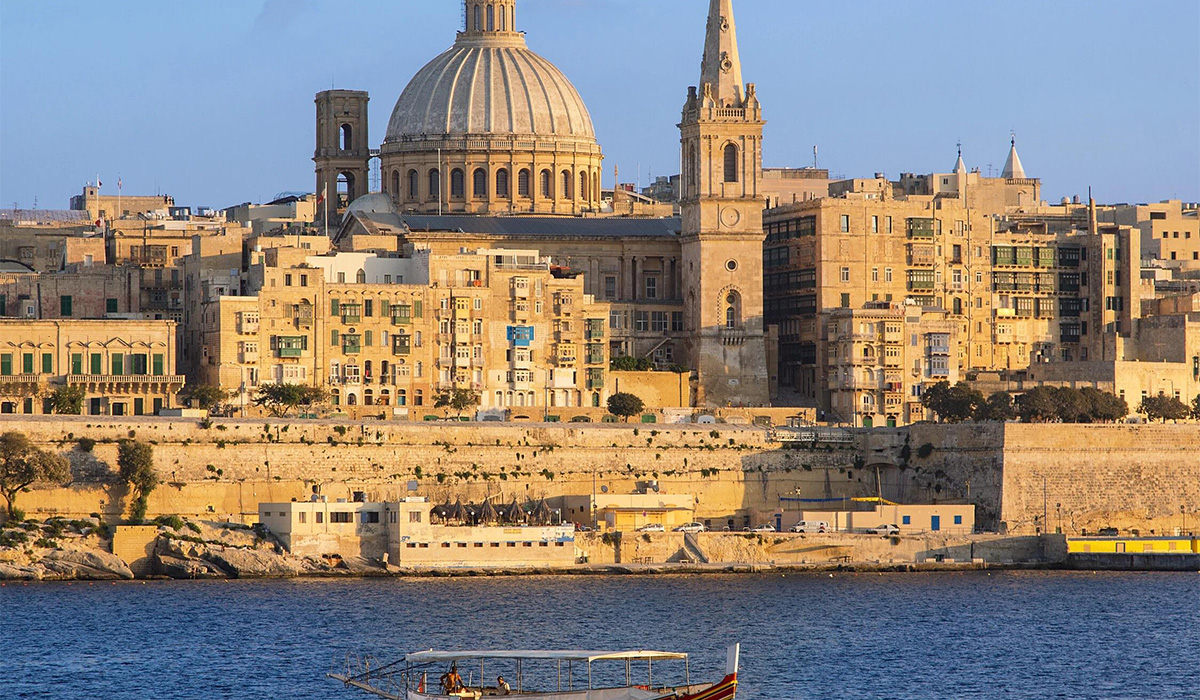
The fortified capital is the best place to understand Malta’s Knights, Baroque architecture and harbor
geography.
What to See
- St John’s Co-Cathedral
- Upper Barrakka Gardens
- Grandmaster’s Palace area
- Strait Street
- National Archaeology Museum
- harbor views.
How to Experience It
Walk early; use waterfront/ferry links; reserve major interiors during peak periods.
Time Needed
Allow 1.5-2 days.
Food to Try in This Area
- Pastizzi from a bakery or snack bar
- Ftira and Maltese-style sandwiches
- Fresh seafood in harbor towns
- Local cheeselets, olives and seasonal produce
Booking and Timing Strategy
For popular interiors, boat trips and limited-capacity activities, reserve ahead during high season. For walks
and viewpoints, plan around heat and light rather than trying to maximize the number of stops.Malta Complete Regional Travel Guide 2026
Page 9
The Three Cities
Vittoriosa (Birgu), Senglea and Cospicua form a harbor-side historical cluster opposite Valletta.
What to See
- Birgu waterfront
- Fort St Angelo area
- Senglea Gardjola
- old lanes and churches.
How to Experience It
Combine with a harbor ferry or boat ride; late afternoon light is excellent.
Time Needed
Half day to full day.
Food to Try in This Area
- Pastizzi from a bakery or snack bar
- Ftira and Maltese-style sandwiches
- Fresh seafood in harbor towns
- Local cheeselets, olives and seasonal produce
Booking and Timing Strategy
For popular interiors, boat trips and limited-capacity activities, reserve ahead during high season. For walks
and viewpoints, plan around heat and light rather than trying to maximize the number of stops.Malta Complete Regional Travel Guide 2026
Page 10
Mdina and Rabat
Mdina is Malta’s atmospheric walled medieval city; Rabat adds churches, catacombs and everyday local life.
What to See
- Mdina gates and streets
- bastion viewpoints
- St Paul’s area
- catacombs and museums in Rabat.
How to Experience It
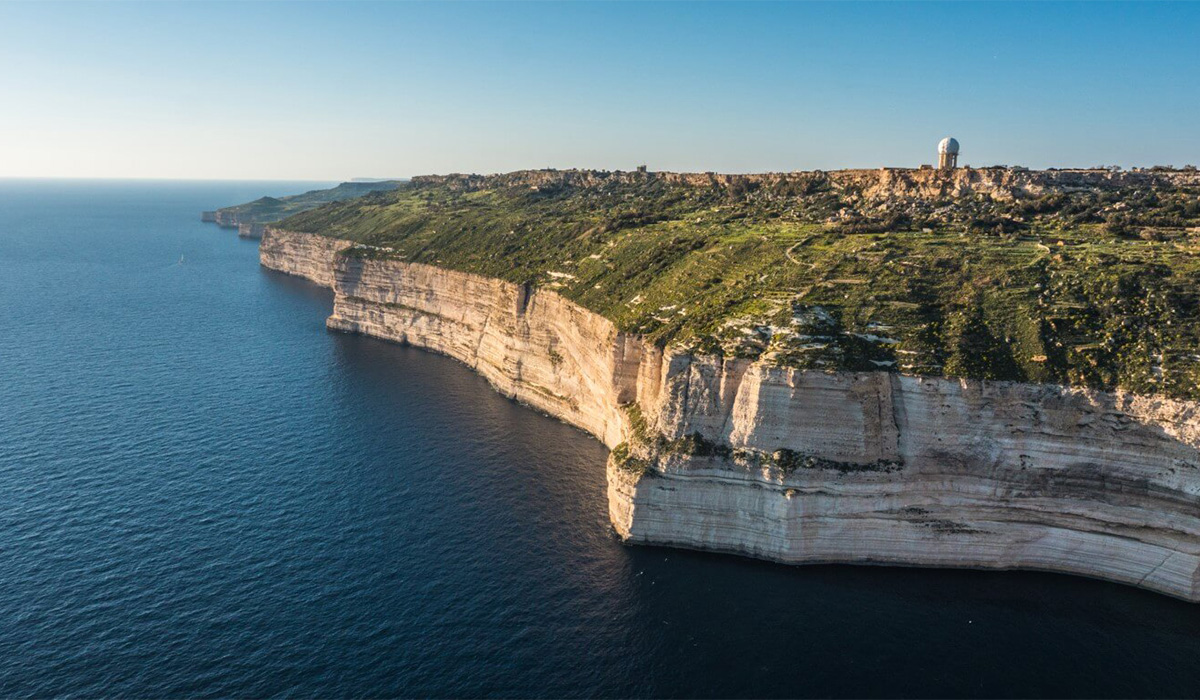
Go early or near sunset; combine with nearby Dingli or central-west villages.
Time Needed
Half day; 1 full day with Rabat and west coast.
Food to Try in This Area
- Pastizzi from a bakery or snack bar
- Ftira and Maltese-style sandwiches
- Fresh seafood in harbor towns
- Local cheeselets, olives and seasonal produce
Booking and Timing Strategy
For popular interiors, boat trips and limited-capacity activities, reserve ahead during high season. For walks
and viewpoints, plan around heat and light rather than trying to maximize the number of stops.Malta Complete Regional Travel Guide 2026
Page 11
Mellieha and the North
The northern zone is the beach gateway and an efficient launch point for Gozo and Comino.
What to See
- Mellieha village/church
- Golden Bay
- Ghajn Tuffieha
- Ghadira
- Popeye Village area
- Cirkewwa ferry terminal.
How to Experience It
Base here for beach-heavy trips; use early departures for Comino.
Time Needed
1-2 days.
Food to Try in This Area
- Pastizzi from a bakery or snack bar
- Ftira and Maltese-style sandwiches
- Fresh seafood in harbor towns
- Local cheeselets, olives and seasonal produce
Booking and Timing Strategy
For popular interiors, boat trips and limited-capacity activities, reserve ahead during high season. For walks
and viewpoints, plan around heat and light rather than trying to maximize the number of stops.