$99.99
Product type: One Time Purchase
Access period: permanently valid
Duration: 7-Day Customer Support: Provides 7-day customer/technical support after purchase, but does not necessarily mean a refund.
Delivery method: KYC/KYB/Digital Download/Online Access
Format: PDF
Croatia rewards travelers who move beyond a single postcard destination. The country combines a
compact historic capital, an Adriatic coastline, hundreds of islands, Roman and medieval heritage,
limestone landscapes, national parks, wine regions and a strong food culture. This edition is designed as
a working travel manual rather than a list of attractions: each region includes where to base yourself,
how to move, what to prioritize, how long to stay, and which trade-offs to expect.
The best trip structure is usually not “see everything.” Instead, choose one of three styles: city + coast
for a first visit, island + national park for scenery, or slow regional travel for food, wine and smaller
towns. Peak summer can be hot and crowded on the coast, while shoulder seasons can offer a better
balance of weather, prices and sightseeing pace.
Core planning principles
outside Schengen.
Trip length
Recommended structure
Best for
3 days
Zagreb or Dubrovnik focus
Short break
5 days
Split + one island / Zagreb + Plitvice
First taste
7 days
Zagreb + Plitvice + Split + Dubrovnik
Classic circuit
10 days
Istria or Kvarner + Dalmatia
Depth and slower pace
14 days
Inland + coast + 2 islands
Comprehensive trip
Croatia Complete Regional Travel Guide 2026
2 / 392. Croatia at a Glance
Item
Practical note
Capital
Zagreb
Currency
Euro (€)
EU / Schengen
EU member; euro area and Schengen member since 1 January 2023
Best first-trip window
May-June and September; July-August for peak beach season
Coast
Adriatic; Mediterranean influence
Inland climate
More continental; colder winters and warmer summers
Language
Croatian; English widely used in tourism
Typical travel style
Compact road trips, ferries, buses, city breaks, national parks
Plug type
Type C/F, 230V
Emergency number
112 is the EU-wide emergency number
What makes Croatia different
Distances can look short on a map but become slower once islands, coastal roads, summer traffic,
border checks and ferry schedules are included. A two-hour driving distance is not always a two-hour
“travel experience.” Build buffer time, especially when a ferry is followed by a bus or flight. On the
Dalmatian coast, a beautiful viewpoint or swimming stop can easily turn a direct transfer into a half-day
excursion.
Money and payments
Cards are widely accepted in established tourism areas, but small bakeries, market stalls, beach kiosks,
rural cafés and occasional parking situations can still be easier with some cash. Always keep a little
euro cash available and tell your bank that you are traveling if required. Avoid assuming that every
island or small town has identical card acceptance.
Croatia Complete Regional Travel Guide 2026
3 / 393. Zagreb – Capital, Museums and Slow
Urban Travel
Zagreb is the easiest place in Croatia to start or end a trip focused on culture. The Upper Town, Lower
Town, parks, markets, cafés and museums can fill two relaxed days without exhausting the traveler.
Zagreb is also strategically useful for Plitvice, Varaždin, Croatian Zagorje and northern wine country.
Where to focus
Upper Town: St. Mark’s Square, Stone Gate, Lotrščak Tower and short walks through the old streets.
Lower Town: Ban Jelačić Square, Dolac Market, parks and major museums. Maksimir: useful when you
want green space and a slower afternoon. Tkalčićeva: a social dining and café corridor near the historic
center.
Two-day playbook
Day 1: Start at Dolac Market, walk through the Upper Town, take time for St. Mark’s Square and the city
viewpoints, then explore Lower Town museums and cafés. Day 2: Choose one museum cluster, slow
down over lunch, visit Maksimir or a city park, and use the late afternoon for a food-focused walk.
Where to stay
For a first visit, the city center and Lower Town are the simplest. Upper Town is atmospheric but can be
hillier and quieter at night. Near the main station can be useful for rail connections, while Maksimir suits
travelers who value space over being within the historic core.
Food priorities
Croatia Complete Regional Travel Guide 2026
4 / 394. Istria – Rovinj, Pula, Motovun and Wine
Country
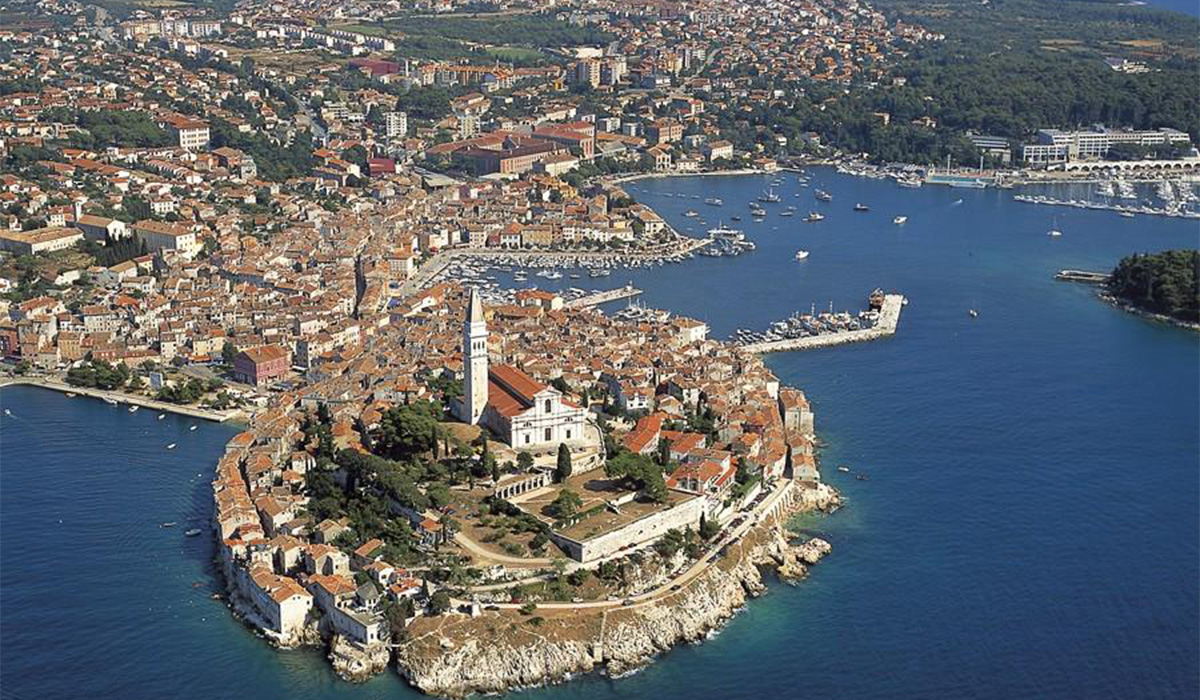
Istria is Croatia’s strongest region for travelers who want food, wine, stone villages and coastal scenery
in the same itinerary. The peninsula can be visited as a short coastal break or a five-day slow-food road
trip.
Base choices
Base
Why choose it
Trade-off
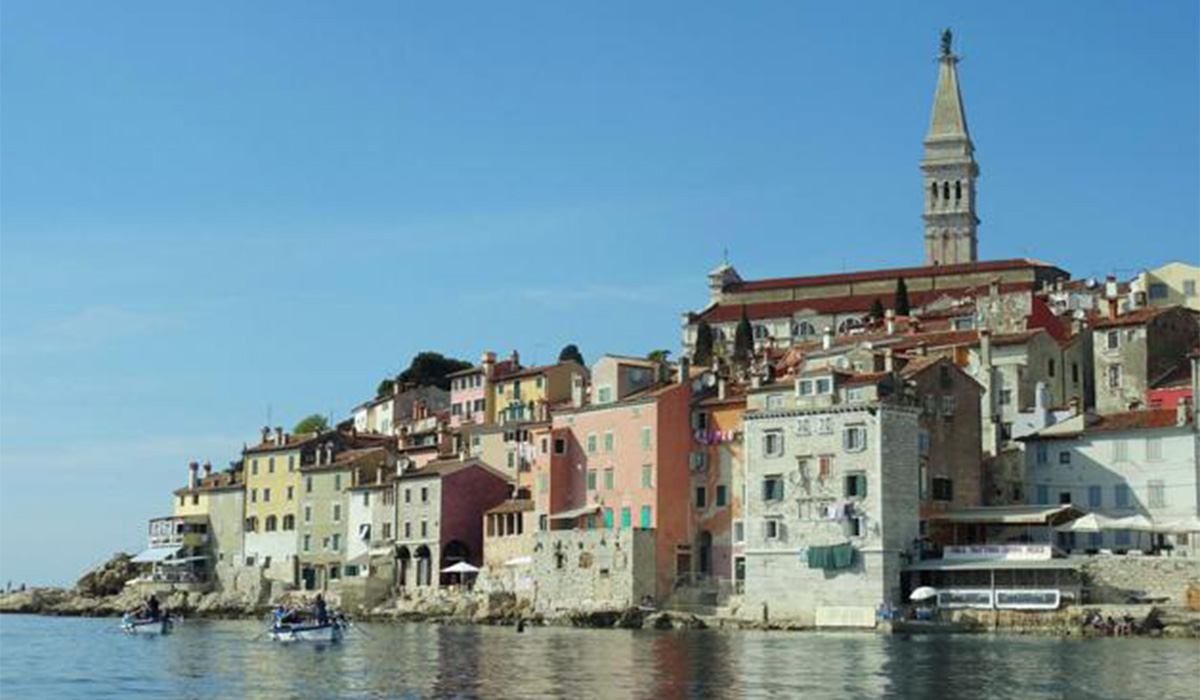
Rovinj
Romantic old town, waterfront, restaurants
Higher demand in summer
Poreč
Easy coast + practical services
Less atmospheric than Rovinj at
night
Pula
Roman heritage and urban services
Less postcard-like old town
Motovun / inland
Hill towns, truffles, vineyards
Car strongly recommended
Opatija / Kvarner
gateway
Elegant coast, wellness, day trips
Different feel from Istrian villages
Three-day Istria route
Day 1: Rovinj old town, waterfront and golden-hour walk. Day 2: Pula for Roman heritage, then a coastal
village or beach. Day 3: inland Istria with Motovun or Grožnjan, a winery, olive oil tasting and a slow
lunch.
Food and wine
Look for Istrian truffles, fuži or other local pasta, seafood, olive oil, pršut, sheep cheese and wines from
Malvazija istarska and Teran. Do not turn the region into a checklist of tasting rooms: choose one or two
producers and spend time learning how the landscape affects the food.
Driving strategy
A rental car makes inland Istria substantially easier. Coastal towns can often be reached without one,
but you lose flexibility for hill towns, wineries and rural restaurants. Parking in historic centers is often
constrained; plan for a short walk from a paid lot rather than trying to drive to the front door.
Croatia Complete Regional Travel Guide 2026
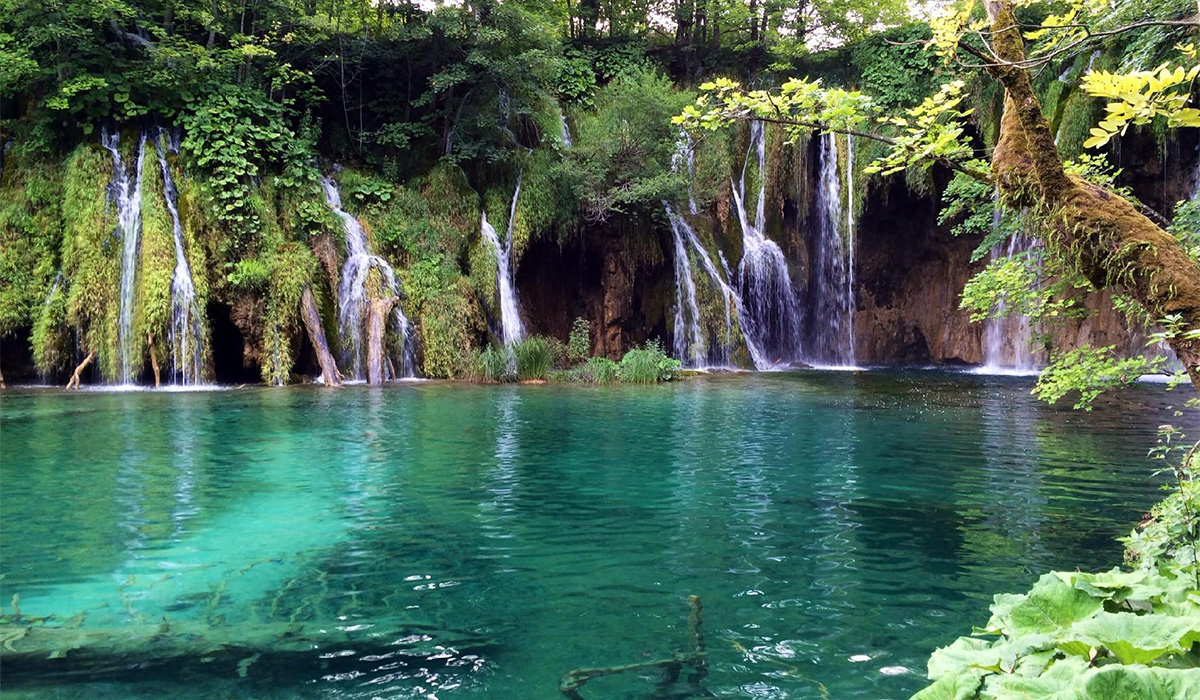
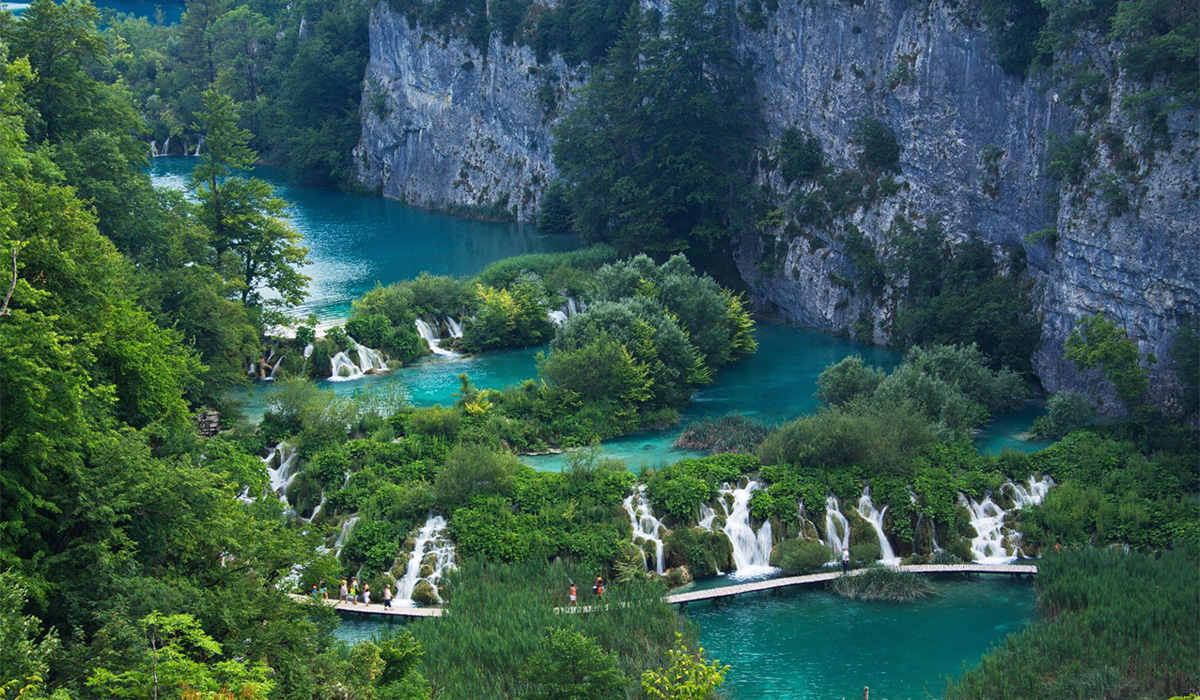
5 / 395. Plitvice Lakes National Park
Plitvice is the visual centerpiece of inland Croatia: a sequence of lakes, waterfalls, boardwalks and
forest trails. The main planning mistake is treating it as a one-hour photo stop. Routes vary
substantially in walking time and terrain, and crowd levels matter.
How to visit
Arrive early, especially in high season. Use the official park entrance and route information on the day
of travel. Wear shoes suitable for uneven and wet surfaces. Keep the group together because
boardwalks and viewing points can become congested. Respect barriers and stay on marked routes.
Route selection mindset
Short routes work for travelers who want highlights. Longer routes combine more lakes and viewpoints
but require endurance and more time. For a first visit, allow at least half a day; a full day gives more
breathing room and makes weather or crowd slowdowns less stressful.
Where to stay
Stay near the park when dawn access matters or when you want a slower visit. Karlovac and other
inland hubs can work as road-trip stops, but they add travel before and after the park.
Weather and safety
Rain can make paths slippery. Summer heat is less noticeable inside forested sections but still matters
on exposed stretches. In shoulder seasons, check opening hours, trail conditions and transport
arrangements before leaving your hotel.
Croatia Complete Regional Travel Guide 2026
6 / 396. Zadar and Northern Dalmatia
Zadar is one of Croatia’s best “base and explore” cities. It combines an old-town peninsula, Roman
remains, waterfront sunsets and access to islands and national parks.
Zadar highlights
Three-day plan
Day 1: old town, waterfront, sunset. Day 2: choose a national park or island excursion. Day 3: Nin or Pag
for a different landscape and a slower meal-focused day.
For photographers
The peninsula is strongest at early morning and sunset. Midday light can be harsh and the old-town
stone reflects heat. Plan your intensive walking before lunch and use later hours for the sea front, café
breaks and a waterfront dinner.
Croatia Complete Regional Travel Guide 2026
7 / 397. Split – Diocletian, Marjan and Island
Gateways
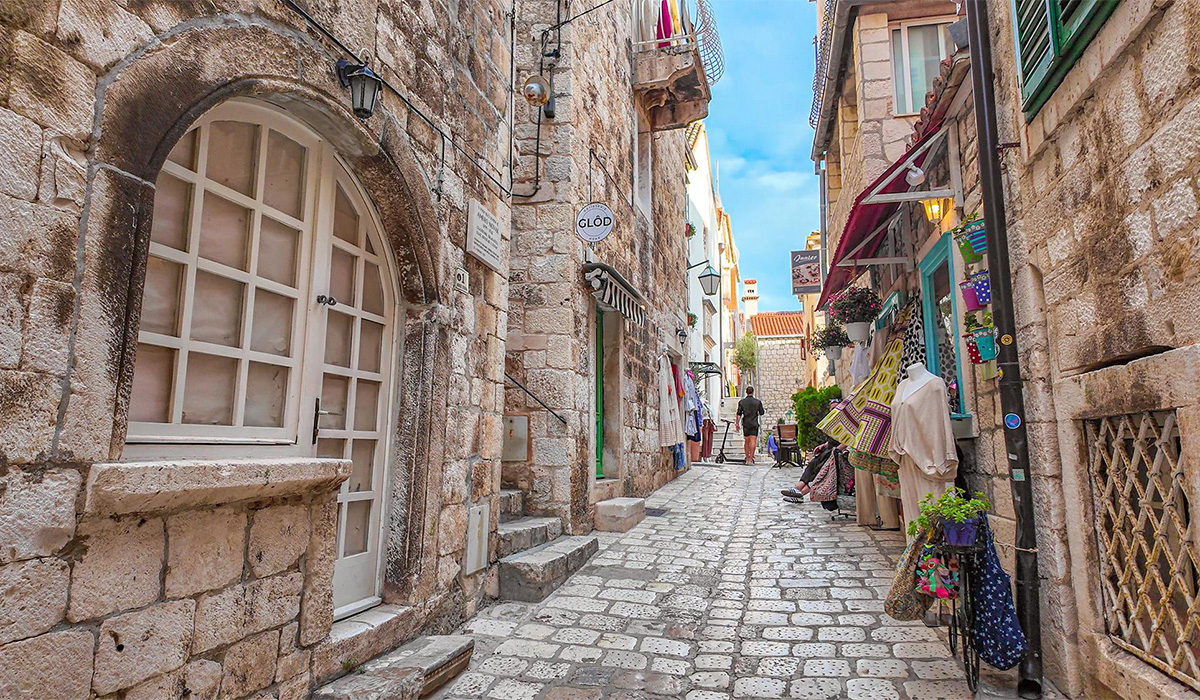
Split is the operational heart of central Dalmatia. Diocletian’s Palace is not an isolated monument but a
living city core of streets, courtyards, homes, restaurants and shops. Split also functions as a major
ferry gateway.
Neighborhood strategy
Area
Best for
Old Town / Palace
First-time visitors, atmosphere, nightlife
Bacvice
Beach access and easy city walking
Veli Varoš
Historic lanes, restaurants, quieter feel
Marjan
Parks, viewpoints, walking and cycling
Two-day plan
Day 1: Diocletian’s Palace, Cathedral area, cellars, waterfront promenade and an unhurried dinner. Day
2: Marjan in the morning, swim or café time, then choose one museum or local food experience.
Split as a gateway
For island trips, build the ferry schedule around the island rather than trying to force a late return. Hvar,
Brač, Šolta and Vis all feel different; choose based on pace and interests. Some islands are better for
beaches and nightlife, others for hiking, food, stone villages and slower travel.
Summer reality
Expect crowds around the Palace and ferry port. Carry water, protect from sun and avoid scheduling a
long outdoor walk at the hottest part of the day.
Croatia Complete Regional Travel Guide 2026
8 / 398. Hvar, Brač, Vis and Korčula – How to
Choose
Island
Best for
Ideal stay
Hvar
Mix of beaches, old town, nightlife, upscale travel
2-3 nights
Brač
Beaches, active travel, mountain views
2 nights
Vis
Slower pace, bays, food, boat trips
2-3 nights
Korčula
Old town, wine, villages, relaxed evenings
2-3 nights
Hvar
Best for travelers who want a polished island experience with strong dining, beaches, old-town
architecture and active evenings. Base in Hvar Town for convenience; choose Stari Grad for a slower,
more historic feel.
Brač
Known for Zlatni Rat near Bol, but the island is larger than a single beach. Consider Vidova Gora, inland
stone villages and coastal drives. Supetar is practical for access from Split.
Vis
Vis rewards travelers who prefer fewer headline sights and more time on the road, water and at the
table. Boat trips and Blue Cave excursions can be a major draw, but weather and sea conditions affect
schedules.
Korčula
Combine the old town with vineyard visits and smaller coastal communities. Korčula is a good middle
ground between “classic island sightseeing” and slow travel.
Ferry planning rule
Treat ferry seats and departure times as part of your itinerary, not as an afterthought. In peak season,
arrive early enough for boarding procedures and have a backup plan for weather or schedule disruption.
Croatia Complete Regional Travel Guide 2026
9 / 399. Dubrovnik – Old Town, Walls and
Viewpoints
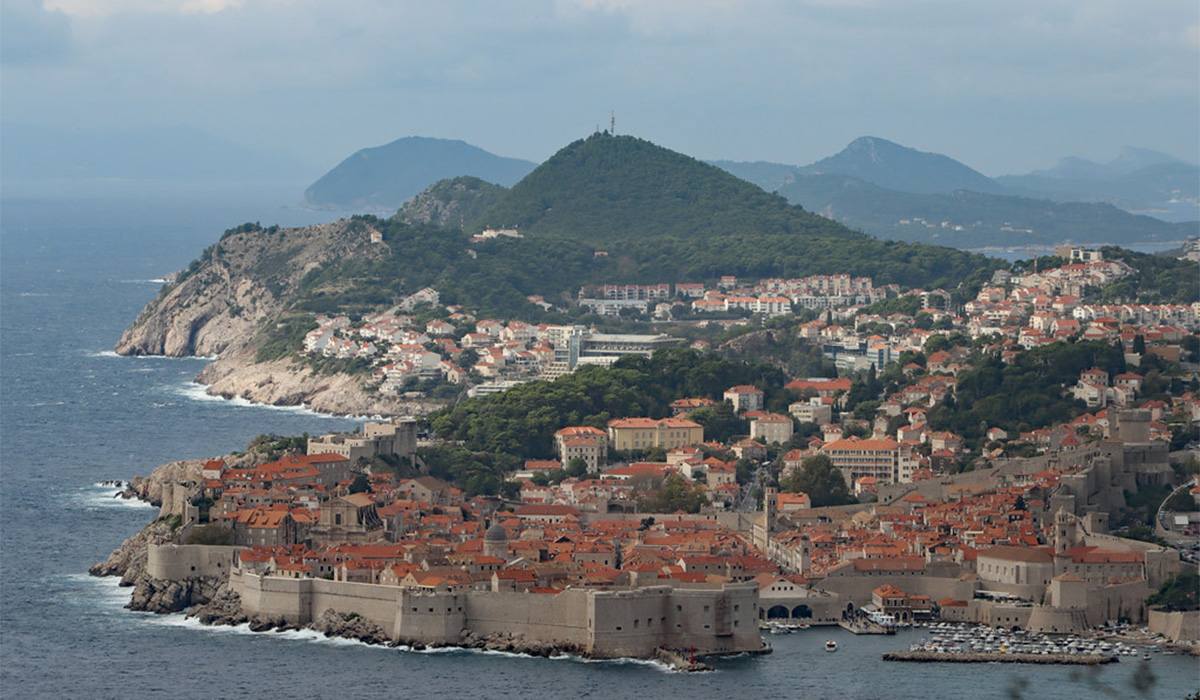
Dubrovnik is one of Europe’s most dramatic historic cities and one of Croatia’s busiest tourism zones. It
is best experienced by deliberately avoiding the busiest hours when possible.
What to prioritize
Two-day Dubrovnik playbook
Day 1: enter the Old Town early, walk the walls before the heat, then return for museums and lunch.
Late afternoon: harbor or viewpoints. Day 2: choose Mount Srđ and a nearby coastal excursion, then
return for an evening in the old city.
Where to stay
Inside or beside the Old Town is atmospheric but often more expensive and less convenient for luggage.
Lapad and Gruž can be more practical, especially for longer stays or travelers using buses and ferries.
Crowd management
Cruise-ship arrivals can dramatically change the feel of the Old Town. Check the day’s expected traffic
when possible, and plan major walking for the earliest available slot.
Croatia Complete Regional Travel Guide 2026
10 / 3910. Pelješac Peninsula and Southern Wine
Country
Pelješac is a strong choice for travelers who want seafood, wine, small coastal towns and a road-trip feel
without moving as quickly as island-hopping requires.
Highlights
Ston and its historic fortifications; oysters around Mali Ston; vineyards and tasting rooms; coastal
villages; ferry links toward Korčula. This is one of the easiest places to add a “food and wine” chapter to
a Croatia itinerary.
Suggested one-day road loop
Dubrovnik -> Ston -> Mali Ston lunch -> vineyard tasting -> Trstenik or another coastal stop ->
Dubrovnik. Allow extra time; the point is not to maximize stops but to make the meal and landscape
part of the experience.
Wine note
Look for Plavac Mali-based wines, especially Dingač and Postup styles, and try to compare them with
lighter coastal or island wines. Designated drivers matter; tasting is best when transport is planned
around it.
Croatia Complete Regional Travel Guide 2026
11 / 39
No account yet?
Create an Account